Kling 3.0 vs Runway Gen-4 for Beauty Ads
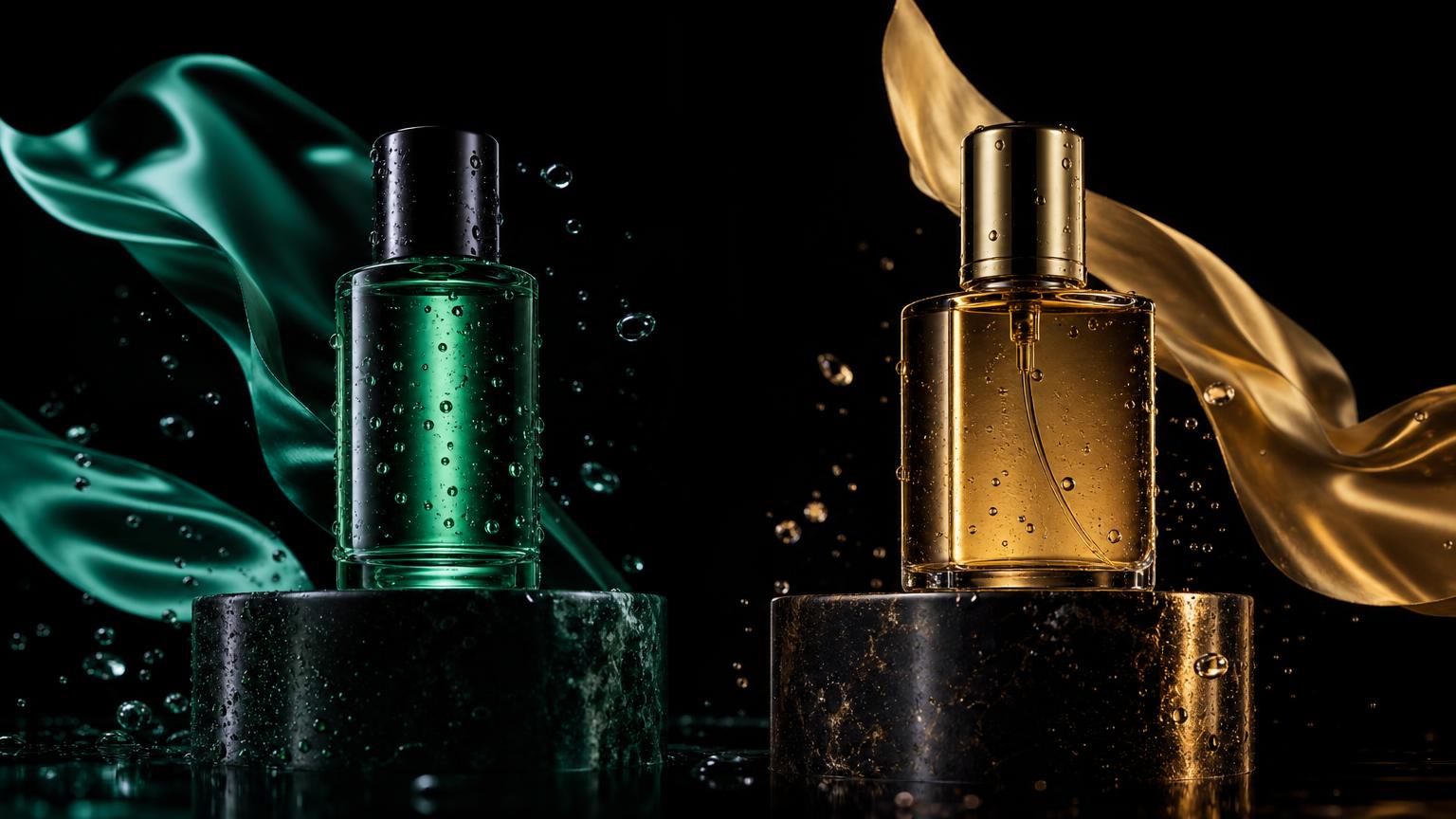
Beauty ads punish AI video models harder than any other category. Skin has to look like skin, not plastic. Serum has to pour like liquid. Glass and gold-foil packaging have to hold their shape while the camera moves. Get any of it wrong and the ad reads as fake in under a second — which, in a category built on trust, is fatal.
We put Kling 3.0 and Runway Gen-4 against the same beauty brief: a serum bottle, a close-up application shot, and a presenter delivering one benefit line.
Skin rendering
Kling 3.0 produces the more forgiving skin. Pores, subsurface light and micro-texture hold up at close range, and it avoids the waxy over-smoothing that gives AI faces away. On extreme close-ups it still softens, but you can shoot around that.
Runway Gen-4 is sharper overall but less flattering — it can render skin with a clinical, high-contrast quality that suits editorial looks and hurts warm, natural-beauty positioning.
Edge: Kling, for mass-market beauty. Runway for high-fashion or editorial tone.
Product and packaging fidelity
This is where beauty briefs are won or lost. A dropper bottle with a metallic collar is a stress test: reflective surfaces, thin geometry, and a logo that must not mutate.
Runway Gen-4 holds packaging geometry better across camera motion, which matters if your hero shot involves an orbit or push-in.
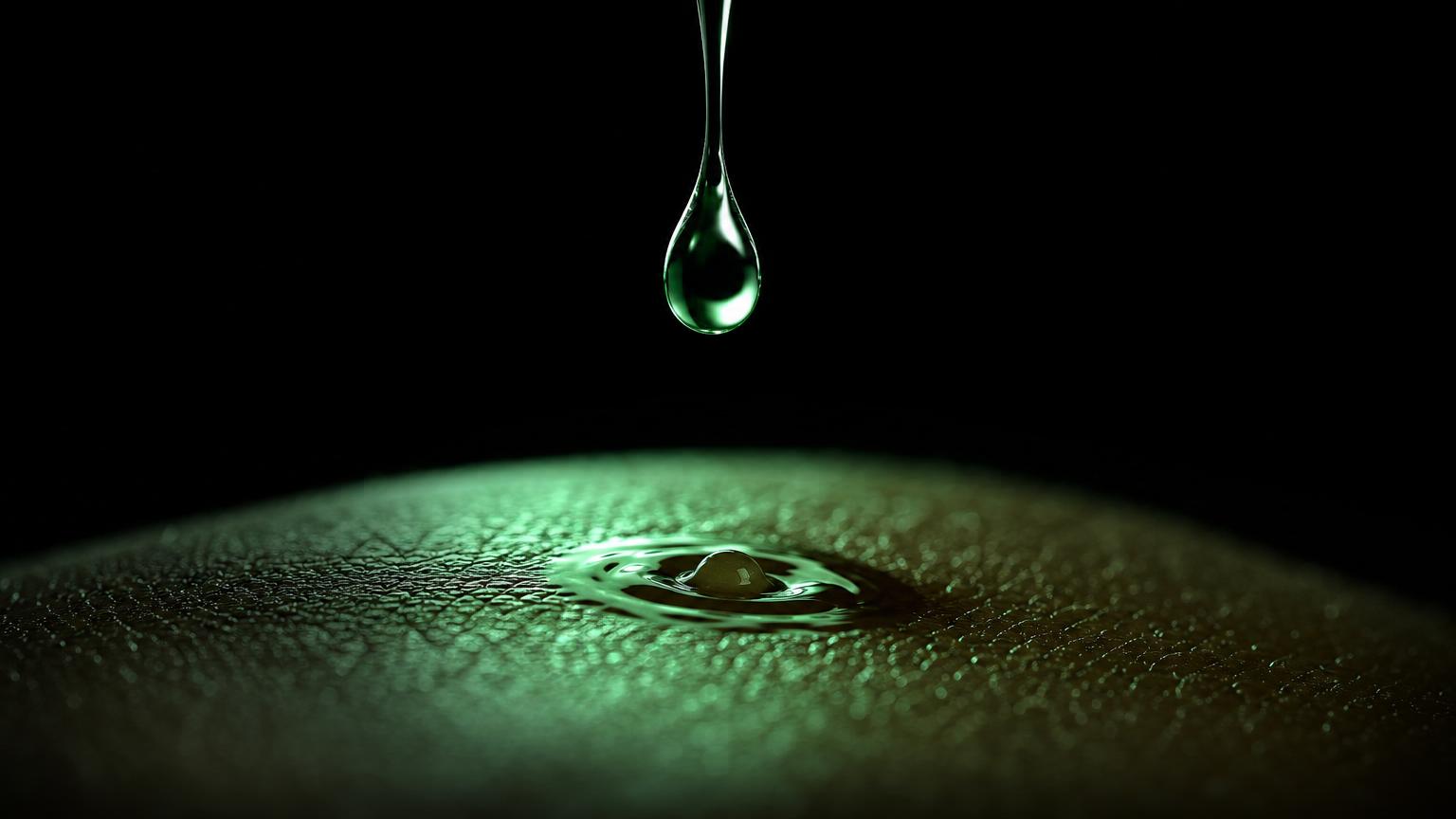
Kling 3.0 renders liquid and cream texture more convincingly — the pour, the smear, the absorb — which is often the shot that actually sells the product.
Edge: split. Runway for the pack shot, Kling for the texture shot.
Motion and camera work
Runway gives you more deliberate control over camera moves, and the results are more repeatable across takes — useful when you need a consistent look across a set of variants. Kling produces more natural human motion, particularly hands, which appear constantly in beauty application shots and are historically where AI video falls apart.
Iteration cost
Both need multiple generations per usable shot. In practice, budget several attempts for any close-up involving hands touching the product, in either tool. The model that gets you there faster depends heavily on how specific your prompt discipline is.
So which one should a beauty brand use honest answer:
whichever one the creator making your ad is best at. Both tools can produce a beauty ad that runs. Neither can tell you whether the "clinical results" angle beats the "morning ritual" angle for your audience — and that gap between two concepts is worth far more than the gap between two renderers.
The way to settle it is not to pick a tool. It is to put the brief in front of many creators, let each use the model that suits their idea, and judge the finished ads side by side. That is how a brand finds the winning ad before spending on media rather than after.
Related: Sora 3 vs Seedance 2.5 vs Veo 3.1 and does AI UGC convert as well as real UGC.
Tal Dahabani
Founder & CEO at AdArena
Tal is the founder of AdArena who believes in performance over ego. He built AdArena because he saw how the traditional agency model was broken — brands spending fortunes on content they couldn't test. His mission: help brands discover what actually works, faster than their competitors.
You Might Also Like
The 2026 AI Video Ad Stack: What Each Tool Layer Is Actually For
Stop ranking generators against editors. The AI ad stack has six layers, and the one nobody lists is where the money enters.

Where to Use Seedance 2.5 Right Now (August 2026): Every Platform, Price, and Real Limit Compared
Higgsfield, Artlist, CapCut, Dreamina and direct API access compared on price, clip length cap, resolution, throttling and best use case, with this week's changes included.
Higgsfield's "33 Days of Unlimited Seedance 2.5": The Real Terms, Tier by Tier
Higgsfield announced 33 days of Seedance 2.5 at zero credit cost. The blog post behind the announcement sets clip caps by tier and billing cycle, and excludes monthly Pro. Here is the full breakdown.
Get Weekly Video Marketing Insights
Join 2,000+ marketers who get our best strategies, case studies, and AI tips every week.
No spam, ever. Unsubscribe anytime.