




AdArena Is the 99designs for AI Video Ads — Here's What That Actually Means

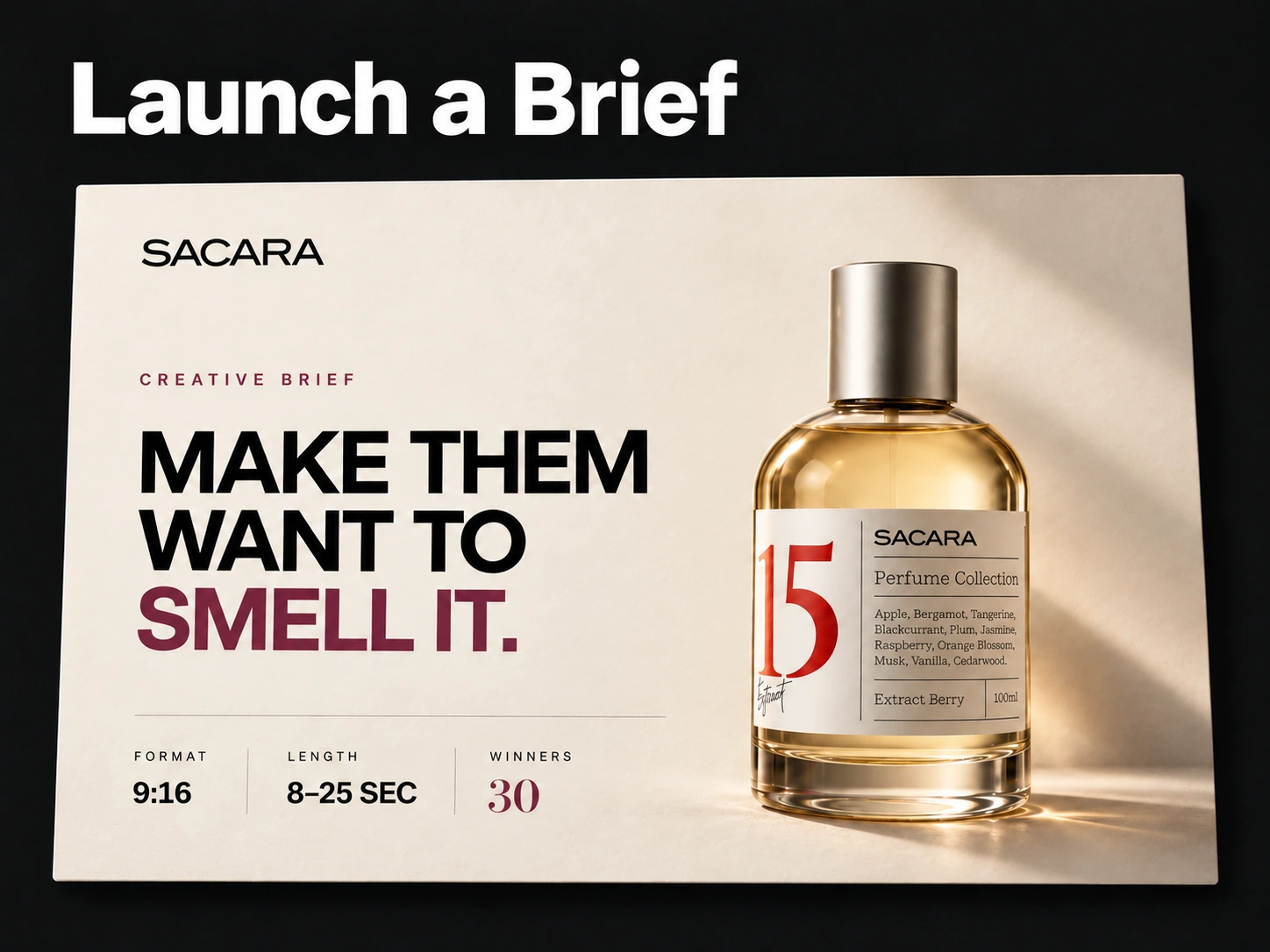
If you have ever run a logo contest, you already understand AdArena. You post a brief, dozens of designers submit finished work, you pick what you actually like, and you pay for the winners. No pitch decks. No "let''s explore three directions." You judge outcomes, not promises.
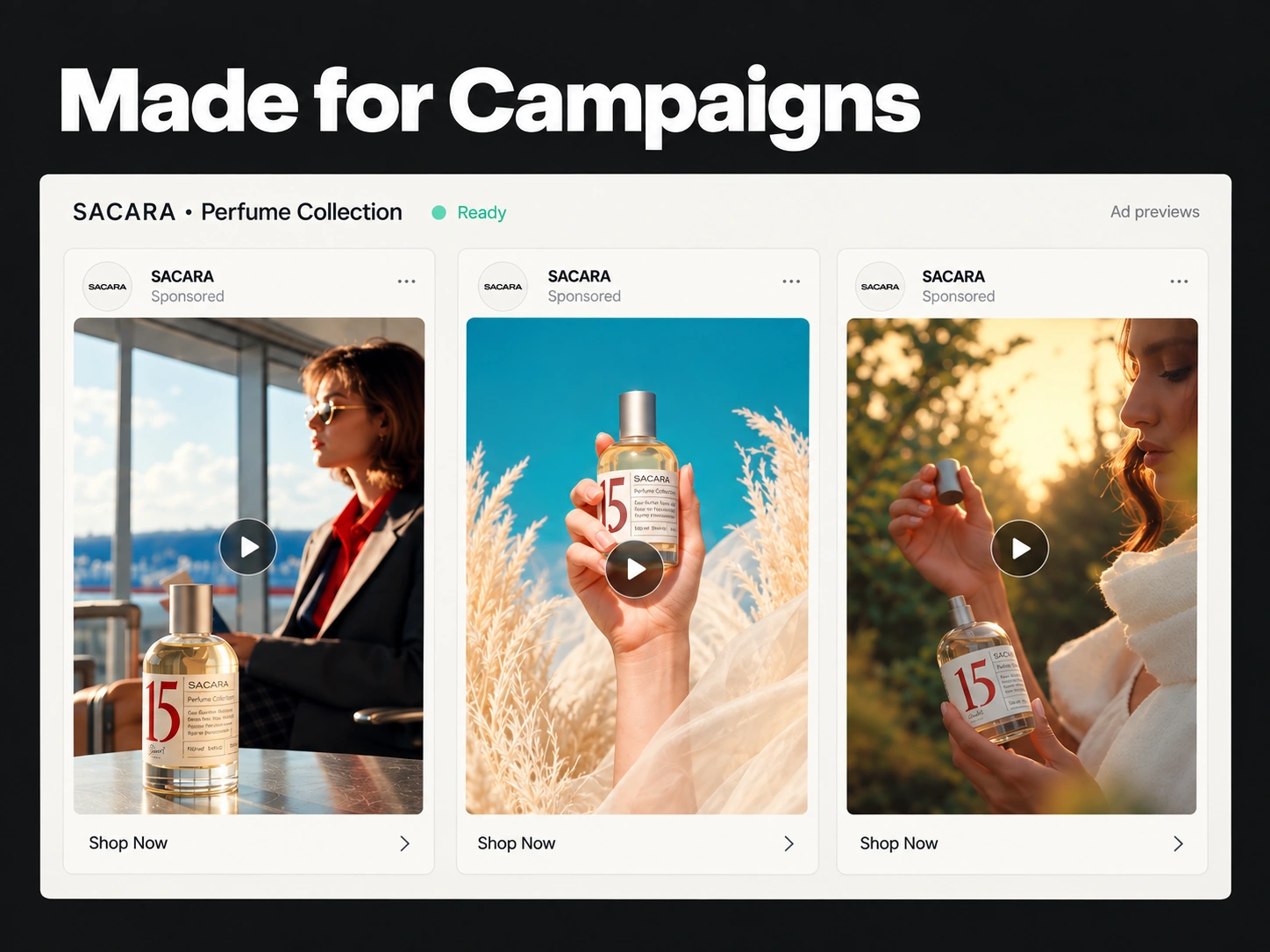
We do that for video ads. A brand posts a brief, dozens of AI creators submit finished 30–60 second ads inside a fixed window, and the brand walks away with a library of usable creative plus the one ad that clearly outperformed the rest.
That is the whole idea: find the winning ad before you spend on media.
Why the contest model won in design
Traditional design procurement asked you to buy a prediction. You hired one studio, described what you wanted, and hoped the interpretation matched. If it did not, you paid again — in revision rounds, in time, and in the opportunity cost of a launch that slipped.
Contest platforms flipped it. Instead of one interpretation, you got fifty. Instead of describing what you wanted, you pointed at it. That is a fundamentally easier cognitive task: humans are far better at recognizing the right answer than at specifying it in advance.
The same asymmetry exists in advertising, only the stakes are higher — because a wrong logo costs you a redesign, and a wrong ad concept costs you your media budget.

What changed: video finally became cheap enough to compete
The contest model never worked for video, for one boring reason: producing a finished video ad used to cost thousands of dollars and take weeks. Nobody submits fifty of those on spec.
Generative video changed the unit economics. A skilled AI creator can now produce a finished, on-brief, brand-safe 30–60 second ad in hours. That single change is what makes competition viable in the format where it matters most.
The model, side by side
| Design contest | Agency | Freelancer | AI ad competition | |
|---|---|---|---|---|
| What you buy | Finished options | A prediction | A prediction | Finished options |
| Finished concepts per brief | 20–100 | 1–3 | 1–2 | 30–380+ depending on tier |
| Time to first finished work | Days | Weeks | Days–weeks | Days |
| You pay for | Winners | Retainer / project | Hours or project | Winners |
| Revisions | Limited | Billable rounds | Billable rounds | None — you pick from finished work |
| Rights on winners | Transferred | Negotiated | Negotiated | Transferred on winner selection |
The "no revisions" line surprises people. It is not a limitation — it is the point. Revisions exist because you committed to one execution before you knew whether it worked. When you have thirty finished ads, the revision loop is replaced by selection.
How an AdArena competition actually runs
- Brief. The brand defines product, audience, hook direction, format, duration, and any compliance rules. This becomes a creator-facing deck, not a PDF nobody reads.
- Open window. The competition runs 7 to 30 days depending on the tier. Creators submit finished ads, not storyboards.
- Judging. Entries are ranked head-to-head rather than scored in isolation, because relative judgments are more reliable than absolute ones. Read the data behind that.
- Winners and rights. Winners are selected within a 5-day SLA after close, prizes are paid to creators, and usage rights on winning work transfer to the brand.
- Media. You launch with the ad that already beat thirty alternatives — instead of finding out on day four of a paid test.
What the tiers look like
The full advertised prize pool goes to creators; the platform fee lives in the brand price, never in the pool.
| Prize pool | Brand cost | Length | Paying winners | Expected finished ads |
|---|---|---|---|---|
| $2,500 | $4,000 | 7 days | 10 | 30–50+ |
| $5,000 | $7,500 | 10 days | 15 | 60–90+ |
| $10,000 | $15,000 | 14 days | 30 | 120–160+ |
| $15,000 | $25,000 | 14 days | 50 | 180–240+ |
| $25,000+ | Custom | 21–30 days | 50–200 | 280+ |
Compare that to a single agency-produced video ad, which routinely costs more than the entry tier and produces exactly one option. We ran the numbers on a real competition here.
Where the analogy breaks
Being honest about this matters more than the pitch.
- Brand safety is heavier in video. A logo cannot say something wrong about your product. An ad can. That is why briefs carry explicit compliance rules and why declarations are enforced at submission.
- Volume is not quality. Two hundred entries with no judging mechanism is noise. The ranking layer is the product, not the entry count.
- Highly technical categories still need specialists. Regulated finance, pharma, and enterprise B2B often need a narrower creator pool than an open competition provides.
- You need a real brief. Contests punish vagueness harder than agencies do, because thirty people misread you simultaneously.
Who this is for
Performance marketers who burn budget testing three ads a month. App and gaming brands that need constant creative refresh. DTC teams whose winning ad fatigues in two weeks. Anyone who has ever paid an agency for a concept that died in testing.
If your bottleneck is deciding which ad to run, not producing an ad, the contest model is a structural fit.
FAQ
Is AdArena really like 99designs? Structurally, yes: brief in, many finished entries back, pay for the winners, rights transfer on selection. The difference is the deliverable — finished video ads instead of static design — and a head-to-head judging layer that ranks entries against each other.
Do I pay per entry? No. You pay a fixed campaign price. Creators are paid out of the advertised prize pool, and the full pool goes to winners.
What if I don''t like any of the entries? It is rare at scale, but it is a brief problem, not a supply problem. Tight hook direction, clear reference ads, and explicit do-nots move quality more than any other lever.
How fast do I get ads? Submissions arrive throughout the open window — usually within the first 48 hours — and winners are selected within 5 days of close.
Who owns the winning ads? Usage rights on winning work transfer to the brand as part of winner selection and payment.
Related reading: Where brands actually find AI video creators · Crowdsourced ad platforms in 2026, compared · Choice beats prediction
Tal Dahabani
Founder & CEO at AdArena
Tal is the founder of AdArena who believes in performance over ego. He built AdArena because he saw how the traditional agency model was broken — brands spending fortunes on content they couldn't test. His mission: help brands discover what actually works, faster than their competitors.
You Might Also Like

The AI Advertising Industry in 2026: A Map of Who Actually Does What
The tension defining the next 12 months is Layer 4 vs Layer 5 — synthetic volume vs tournament-selected taste. Here's the whole board.

Creatify vs Arcads vs AdArena: Which Actually Finds the Winning Ad?
Three very different answers to the same problem. A practical comparison of AI ad generators and creator ad competitions for brands trying to find creative that works.

Why 'Unlimited AI Ads' Will Create Unlimited Creative Sameness
When everyone can generate infinite ads from the same models, the market floods with content that feels identical. Distinctiveness becomes the moat.
Get Weekly Video Marketing Insights
Join 2,000+ marketers who get our best strategies, case studies, and AI tips every week.
No spam, ever. Unsubscribe anytime.