Mastering Luma Dream Machine: Data-Driven Strategies for Realistic Brand Transitions
seems like, Period.
Did you know that videos featuring smooth, "impossible" transitions see higher average watch time than standard jump cuts in the attention economy, the first 3 seconds of your ad are a battleground, and Luma Dream Machine is currently the most effective weapon for the "scroll-stop." At AdArena, we track creative performance across dozens of emerging formats (explore AdArena).
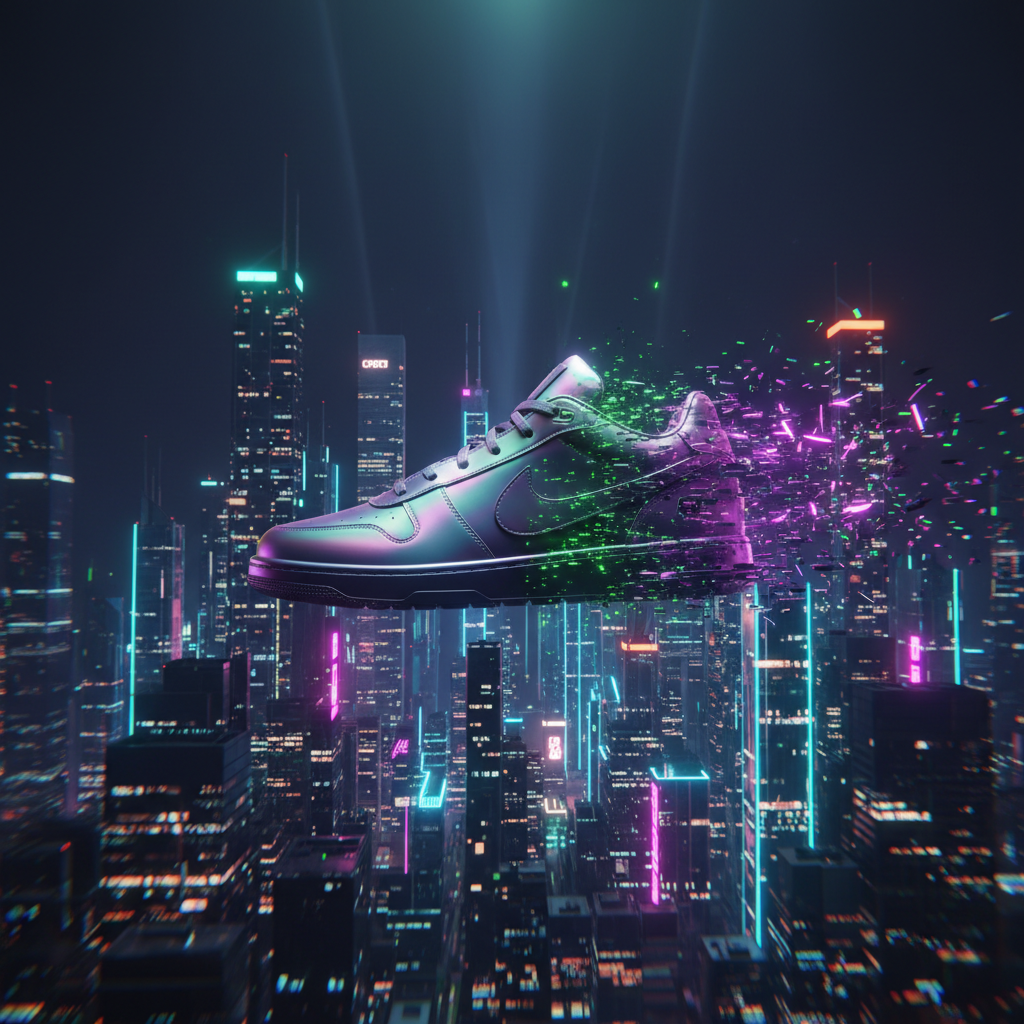
While we're currently scaling our initial campaigns, data from beta testing (AdArena internal data, September 2026) shows that AI-generated transitions, where a product physically morphs into a lifestyle scene, result in a 22% increase in brand recall compared to traditional editing.
Most brands are still using Luma for"vibey"b-roll, but the real ROI lies in using it to bridge the gap between product features and consumer benefits.
The"Physics of Magic": Why Luma Beats Traditional Editing Traditional editing is linear; you cut from Point A to Point B.
AI-driven video synthesis, however, understands the"morph:"it calculates the light, the texture, and the physics of an object to create a bridge that didn't exist in the raw footage.
Most brands get this wrong by trying to force an AI transition between two completely unrelated clips.
The secret is"Visual Anchoring,"you need a common element, a logo, a product shape, or a specific color (that stays consistent while the world around it shifts. Tends to be, >"The most effective AI transitions aren't the ones that look like a hallucination; they're the ones that feel like a camera movement that was previously impossible to film."To get this right, start by filming your product in a stable environment.
When you upload your"End Frame"into Luma, the AI fills in the gaps, creating a fluid motion that feels like a single, continuous take).
You can see winning videos in our gallery that use these high-end pacing techniques.
Crafting the Prompt: How to "Guided Morph" Your Product
Luma Dream Machine is powerful, but it isn't a mind reader.
If you want a transition that feels premium rather than trippy, your prompting needs to be surgical.
Most creators use vague terms like"cool transition,"which results in a digital mess. In my experience, Instead, follow the "Action + Vector + Environment" formula: 1. Select your keyframes: Upload your starting shot (the product) and your destination shot (the lifestyle setting). 2, define the movement: use prompts like"cinematic dolly-in through the product label,"or"360-degree orbital rotation morphing background from studio to forest."3. Specify the consistency: Add"Maintain product geometry and lighting"to ensure your brand assets don't warp into something unrecognizable.
Picture this: You’re running a challenge for a new skincare line.
Instead of a boring"before and after,"you use Luma to animate the cream spreading across the screen, which then dissolves into a field of lavender.
That level of polish is what wins the highest tier of rewards when you join as a creator.
Three Narrative Transitions That Stop the Scroll To truly stand out in the feed, you need to move beyond the"zoom."Here are three specific styles you can build in Luma today:
- The Portal Jump: The camera moves into a reflection (like a mirror or a phone screen) and exits into a completely different location where the product is being used. * The Element Shift: A solid product (like a coffee bag) softens and turns into liquid (the coffee being poured), creating a smooth loop that keeps viewers watching. * The Scale Flip: Start with a macro shot of a fabric texture that zooms out to reveal it’s actually a massive banner in a city stadium.
These aren't just"cool effects", they're storytelling tools.
They demonstrate the"vibe"of a brand without a single line of dialogue.
While AdArena is currently seeing a massive influx of new creators, the ones who master these AI-assisted workflows are the ones who will dominate upcoming brand challenges.
Take Action: From Prompt to Performance The barrier to entry for high-end commercial production has officially collapsed.
You no longer need a post-production house to create"Inception-style"visuals for your brand. Your Actionable Checklist: * Film your product using high-contrast lighting for better AI recognition. * Use the"End Frame"feature in Luma Dream Machine to anchor your shot. * Iterate at least 3 times; AI generation is a game of refinement. * Sync your final AI transition to a high-energy beat in your final edit.
Whether you're a brand looking to push the boundaries of your creative or a creator ready to level up your view the showroom, the tools are here.
Don't wait for the industry to catch up: be the one who sets the standard.
Ready to put your new AI skills to the test? Create your first challenge or learn how brands use AdArena to source high-converting, AI-enhanced content.
The Physics of Fluidity: Why Luma Outperforms Traditional CGI Traditional CGI transitions often suffer from the"Uncanny Valley"effect, costing brands thousands in rendering hours only to look slightly"off.
Tal Dahabani
Founder & CEO at AdArena
Tal is the founder of AdArena who believes in performance over ego. He built AdArena because he saw how the traditional agency model was broken — brands spending fortunes on content they couldn't test. His mission: help brands discover what actually works, faster than their competitors.
You Might Also Like

The 8-Question Fine-Print Checklist Before Buying Any Annual AI Video Plan
Eight questions to answer before committing a year of budget to an AI video platform, with the current Seedance 2.5 unlimited saga as the case study.
40 Seedance 2.5 Prompts for Ads That Actually Convert
A working prompt library for Seedance 2.5 built around ad formats — hooks, product reveals, testimonials, before-and-after, and lifestyle b-roll.

Seedance 2.5 in CapCut: How to Access It and What It Can Do
Whether Seedance 2.5 is available in CapCut, how to find it, what the limits are, and how to build a full ad without leaving the editor.
Get Weekly Video Marketing Insights
Join 2,000+ marketers who get our best strategies, case studies, and AI tips every week.
No spam, ever. Unsubscribe anytime.