The New Creative Org Chart: What a CMO's Team Looks Like When AI Does 80% of Production
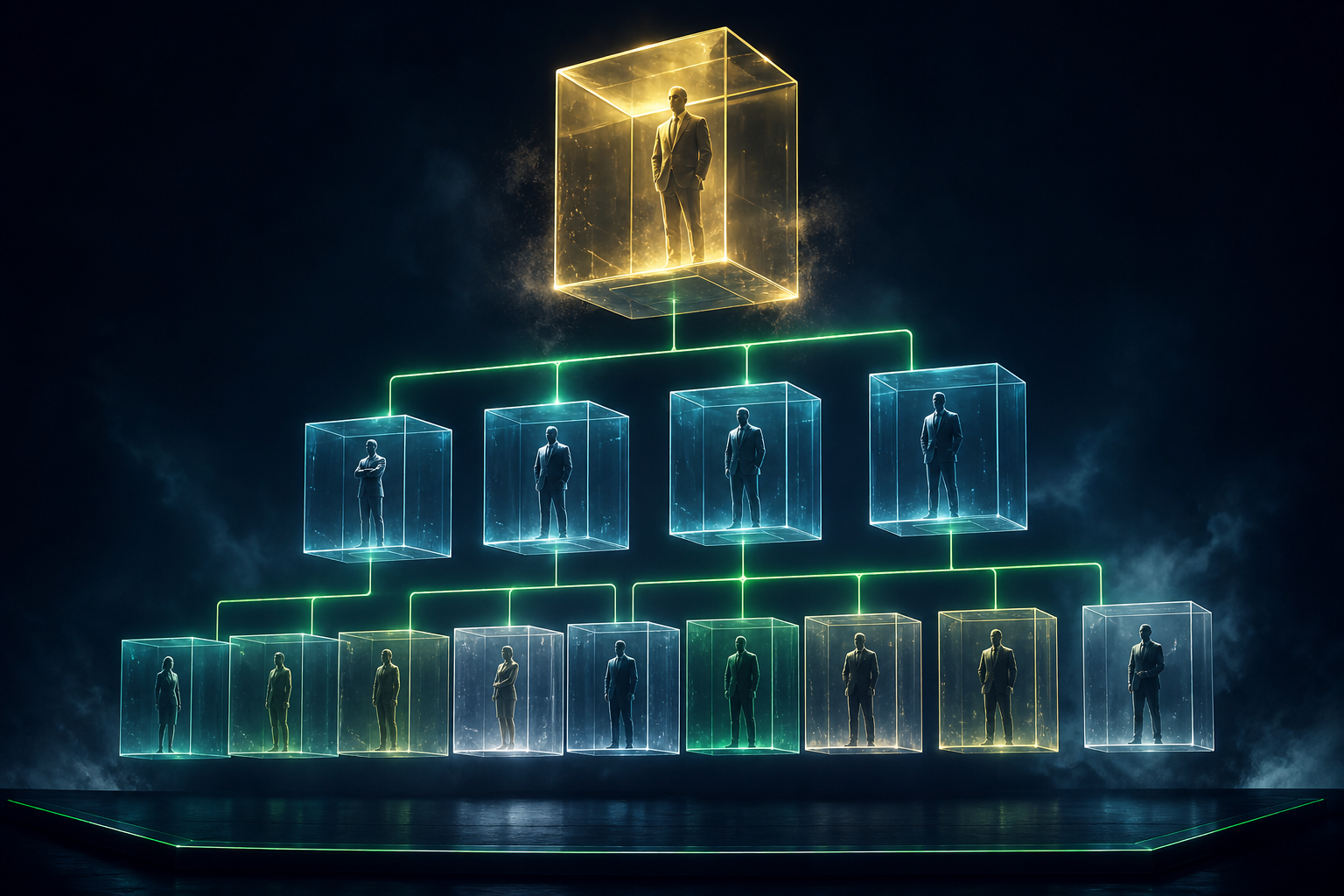
Imagine it’s Monday morning, 2026. Your brand needs thirty unique video assets for in my experience, A new product launch across four different platforms. Absolutely. Probably, In 2023, this would have triggered a three-week marathon of storyboarding, junior designers pulling all-nighters, and endless Slack threads with motion generalists. Today, your "Prompt Lead" hits enter, your "Model Curator" validates the brand consistency, and the entire suite is ready before your first espresso. Here's the thing: the traditional creative department isn't just evolving; it’s being surgically reconstructed. At AdArena, we’re seeing brands move away from large, static in-house teams toward lean, high-output structures that use community-driven competition and AI speed. The old pyramid is dead (long live the diamond.
The "Core Four": Why These Roles Are Non-Negotiable As AI commoditizes execution, the value of human taste and strategic oversight skyrockets.
Four roles will remain the bedrock of the marketing org, but their daily tasks will look radically different. So here's the deal: 1. Creative Director: They no longer manage people; they manage vision. The CD becomes the ultimate arbiter of "The Vibe," ensuring AI outputs don't descend into the uncanny valley or generic mediocrity. 2 : brutal. Brand Editor: This isn't a copywriter : this is a guardian of the brand narrative who ensures every ai-generated story arc aligns with long-term equity. 3. Performance Lead: Data is the compass. This role bridges the gap between creative output and ROAS, deciding which AI "winners" get the budget. 4). Operations (Ops): The most underrated role of 2026. Ops manages the tech stack, the API integrations between AI tools, and the workflow between internal teams and external creator communities. > "In 2026, you won't be paying for hours spent in After Effects; you'll be paying for the taste required to know which 5 seconds of an AI-generated clip will actually stop the scroll."
The Great Shrink: Why Mid-Level Production is Evaporating The roles centered on "doing" rather than "thinking" are shrinking.
- In-house Editors & Junior Designers: When AI can handle color grading, rotoscoping, and basic layout in seconds, the need for a standing army of juniors disappears. * Motion Generalists: High-end specialized motion still has a place, but the "middle class" of motion graphics, lower-thirds, basic transitions, simple animations is now a single-click prompt. Instead of hiring five junior designers, brands are reallocating that budget toward creator networks or launching high-stakes creative challenges to source fresh, human perspectives that AI can't yet simulate.

The New Guard: Three Roles You Need to Hire Now To bridge the gap between human strategy and algorithmic execution, three new titles will dominate your LinkedIn recruiter pings:
- Prompt Lead: Part linguist, part engineer. They translate the Creative Director’s vision into the technical prompts that produce high-fidelity assets. * Model Curator: The keeper of the "Brand Brain. " They train and maintain custom LoRAs and internal AI models to ensure every output looks like your brand, not a brand. * Competition Producer: As brands move toward decentralized creative, this person manages platforms like AdArena to curate the best work from thousands of independent creators (browse challenges). How Compensation Bands are Shifting: We're seeing a "barbell" effect. Entry-level production salaries are crashing, while the "Core Four" and New Guard roles are seeing substantial premiums. Specialized talent who can command AI tools are becoming the new creative elite.
The Actionable Takeaway: Start Your Transition Most brands get this wrong by trying to "layer" AI on top of an old structure.
You've to rebuild the foundation. * Audit your current output: What percentage of your creative work is repetitive "production" vs. High-level "concepting"? * Consolidate your tech: Move away from fragmented tools and toward a centralized creative engine. * Inject outside energy: Stop relying solely on internal capacity. Use community-driven models to test ideas fast. The future of creative isn't about how many heads you've in the office; it's about how effectively you can orchestrate human talent and machine speed. Ready to see how the world's most forward-thinking brands are sourcing their best ideas? Create your first challenge and start building your 2026 creative workflow today.
The Core Four: The Roles That Survive the Purge In the 2026 reference org chart, the survivors are the high-level strategic anchors.
These roles focus on what machines can't replicate: taste, strategy, and cross-functional orchestration. * Creative Director (The Taste Arbiter): The role shifts from "approving executions" to "setting the visual and conceptual DNA. " They manage the prompts and models, not the pixels. * Brand Editor (The Guardian): As AI generates infinite content, the Brand Editor ensures every piece feels human and aligned. They're the final filter for authenticity. Seriously. * Performance Lead (The Growth Engine): Creative and media buying have blurred. This role uses real-time data to tell the creative team exactly which hooks are winning. * Creative Ops (The Systems Architect): The most critical hire.
Tal Dahabani
Founder & CEO at AdArena
Tal is the founder of AdArena who believes in performance over ego. He built AdArena because he saw how the traditional agency model was broken — brands spending fortunes on content they couldn't test. His mission: help brands discover what actually works, faster than their competitors.
You Might Also Like

The 2026 CMO's Guide to AI Ad Production: Budget, Team, and Timeline Benchmarks
Is your creative team actually getting faster, or are they just generating more "drafts" that never see the light of day? In 2026, the CMOs winning the market aren’t the ones with the largest AI su...
Creative Testing Is the New Media Buying
If you’re still trying to "hack" the Meta algorithm or find the perfect lookalike audience, you’re playing a game that ended two years ago. In 2026, the AI black box has officially taken over the l...

The Creative Velocity Framework: How AI Advertising Teams Create More Ads Without Losing Quality
Most marketing teams are currently trapped in a "quality paradox": they spend 40 hours perfecting a single video only to watch it fatigue in 48 hours. The data is clear:95% of video ads fail to rea...
Get Weekly Video Marketing Insights
Join 2,000+ marketers who get our best strategies, case studies, and AI tips every week.
No spam, ever. Unsubscribe anytime.