I Analysed 10 AI Ad Competitions. Here Is What Every Winning Entry Had in Common.
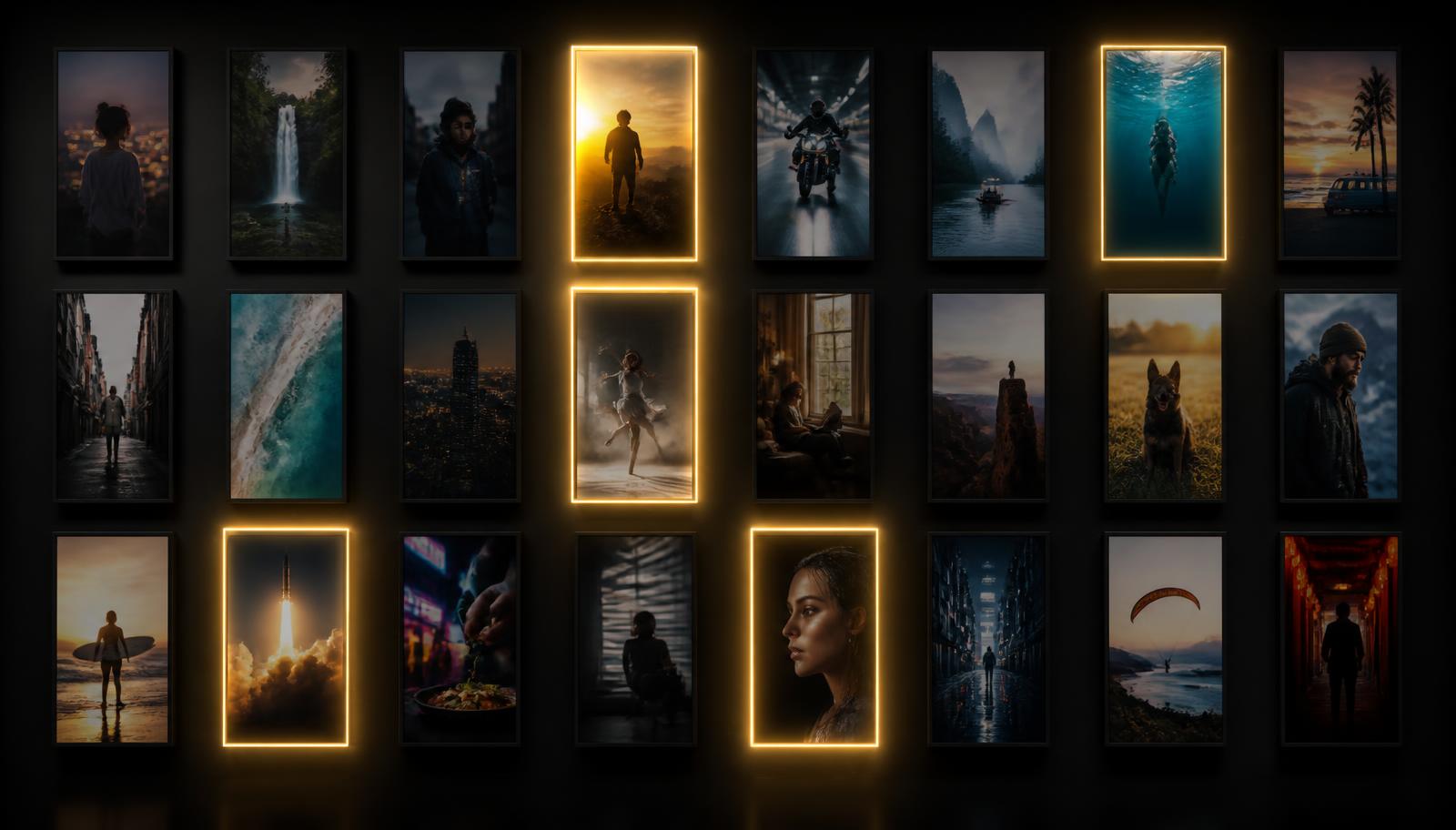
We went back through ten completed brand competitions and looked only at the entries that placed. The expectation was that winners would be the most visually impressive submissions. They were not. Polish was table stakes. Six other things separated the entries that placed from the hundreds that did not.
1. They answered the brief literally
The single biggest filter. If the brief named a product feature, winning entries showed it on screen. If it specified nine-by-sixteen, winning entries were nine-by-sixteen. A large share of non-placing submissions failed on a stated requirement before judging even began.
Treat the brief as a scoring rubric. Write its non-negotiables as a checklist and tick them off before you upload.
2. Something happened in the first 1.5 seconds
Winning entries opened on motion, a face, the product, or a pattern break. Not a logo. Not a slow establishing shot. Brands judge submissions the way their customers will see them: muted, in a feed, thumb already moving.
3. The product was the subject, not the sponsor
Losing entries tend to be beautiful films with a product bolted onto the end. Winning entries are about the product from frame one. The brand is paying to find an ad, not a short film with their logo attached.
4. One idea, executed completely
Placing entries almost always had a single legible idea — one transformation, one joke, one demonstration. Entries that tried to combine three concepts read as unfocused even when each piece was well made.
5. Sound was designed, not decorated
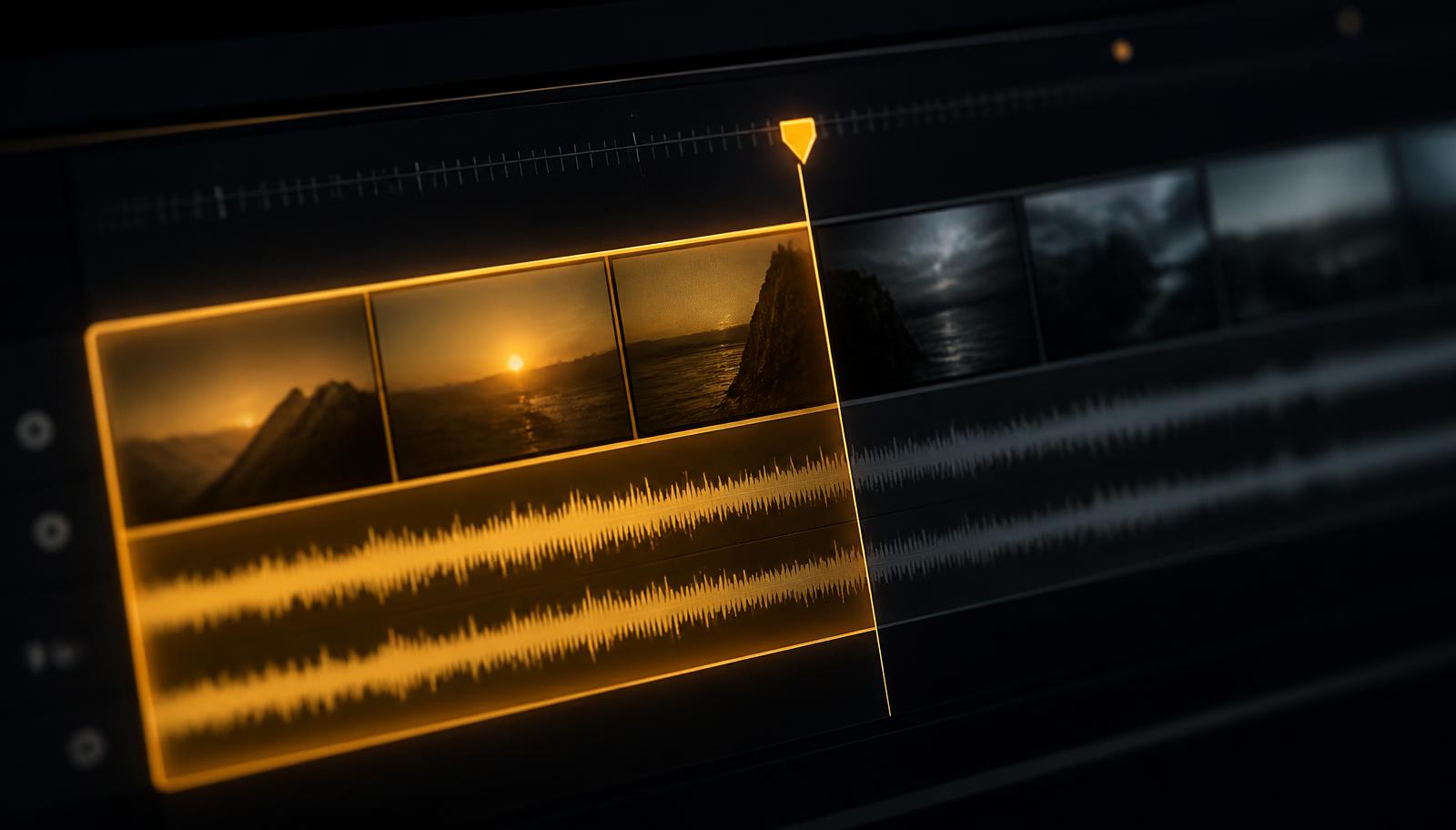
A surprising differentiator. Winning entries used sound that carried the edit: a beat that matched cuts, a voice that landed the claim, silence used deliberately. Losing entries used a trending track under unrelated visuals.
6. They were submitted early
Entries submitted in the first half of the window placed disproportionately. Partly this is correlation — organised creators submit early — but early submission also leaves room to fix a technical problem before the deadline closes.
What did not correlate with winning
- Model choice. Winners came from every major model.
- Length. Both six-second and thirty-second entries placed.
- Follower count. Several winners had almost no audience.
- Production budget. Nothing in the winning set required paid gear.
The takeaway
Winning an AI ad competition is a craft problem, not a technology problem. The creators who keep placing have internalised that a brand is trying to find the ad that will work for them — and they build submissions that make that decision easy.
FAQ
What disqualifies most AI ad competition entries? Missing an explicit brief requirement — wrong aspect ratio, missing product shot, wrong length. It is the most common and most avoidable reason an entry never reaches judging.
How long should a competition entry be? As long as the brief says, and no longer. Where length is open, most placing entries land between fifteen and thirty seconds.
Does visual quality matter less than the idea? Quality is the entry ticket; the idea is the tiebreaker. Once several entries are technically clean, judging comes down to which one sells the product best.
Related reading: How to win your first AI ad competition · Every contest open in 2026 · See real winning ads
Tal Dahabani
Founder & CEO at AdArena
Tal is the founder of AdArena who believes in performance over ego. He built AdArena because he saw how the traditional agency model was broken — brands spending fortunes on content they couldn't test. His mission: help brands discover what actually works, faster than their competitors.
You Might Also Like
The 8-Question Fine-Print Checklist Before Buying Any Annual AI Video Plan
Eight questions to answer before committing a year of budget to an AI video platform, with the current Seedance 2.5 unlimited saga as the case study.
Seedance 2.5 in CapCut: How to Access It and What It Can Do
Whether Seedance 2.5 is available in CapCut, how to find it, what the limits are, and how to build a full ad without leaving the editor.
40 Seedance 2.5 Prompts for Ads That Actually Convert
A working prompt library for Seedance 2.5 built around ad formats — hooks, product reveals, testimonials, before-and-after, and lifestyle b-roll.
Get Weekly Video Marketing Insights
Join 2,000+ marketers who get our best strategies, case studies, and AI tips every week.
No spam, ever. Unsubscribe anytime.