99designs Changed Design Forever. Video Ads Just Had the Same Moment.

In 2008, if you needed a logo, you hired a designer, described what you wanted, and hoped. Then 99designs offered a different deal: post a brief, get dozens of finished logos from dozens of designers, pick the one you like, pay for that.
It was not a better way to make a logo. It was a better way to choose one — and it reorganised an industry.
Video advertising just crossed the same threshold.
Why the design contest model worked
Three conditions had to be true, and all three were, for design:
- Production got cheap enough that a designer could speculatively produce a finished option instead of a pitch deck.
- Quality was judgeable on sight. A client does not need training to know which logo they want.
- The client's real problem was selection, not production. They did not lack access to designers. They lacked confidence about which direction was right.
Video failed those conditions for fifteen years
You could not run a video contest in 2015. A thirty-second ad meant a crew, a shoot day, an edit suite and thousands of dollars — no creator was producing that speculatively. So video stayed on the commission model: brief one supplier, pay upfront, accept whatever comes back.
Which meant brands kept making the most expensive mistake available: betting an entire media budget on a single concept nobody had validated.
What changed
AI video production collapsed the cost of a finished ad from thousands of dollars and weeks of scheduling to hours of skilled work. A capable creator can now deliver a genuinely finished, brand-ready ad on spec.
The moment that became true, condition one was met — and conditions two and three were already there. Ads are trivially judgeable on sight. And every performance marketer knows their problem is selection: they do not lack the ability to make an ad, they lack certainty about which ad will work.
What the model looks like in video
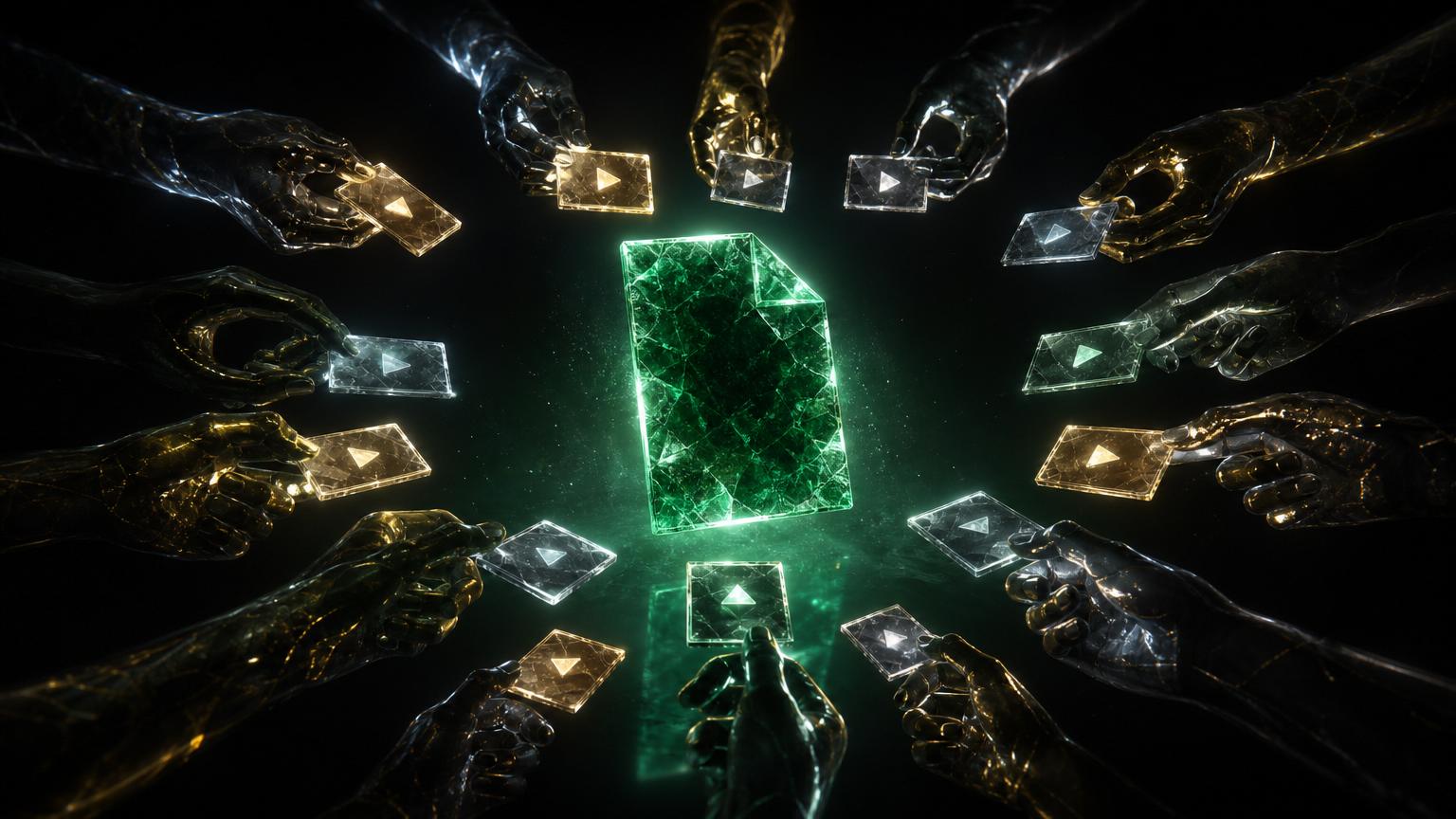
A brand posts one brief. Hundreds of creators can see it. Dozens submit finished ads inside about seven days. The brand ranks them, picks the winners, pays out of a prize pool starting at $5,000, and takes full IP on the ads it selects.
Structurally identical to the design contest. Applied to the most expensive creative decision most brands make.
The objection, and the honest answer
"Speculative work produces mediocre work." Sometimes true — it was true of design contests too. What makes it work anyway is the same thing that made it work then: you are not judging average quality, you are judging the best of many. A pool where most submissions are ordinary and five are excellent still hands you five excellent ads you would not otherwise have seen.
And unlike commissioning, you see them before you commit budget.
Why this matters more for video than it did for design
A bad logo costs you a logo. A bad ad costs you the media budget you spent pushing it. The downstream cost of choosing wrong is orders of magnitude higher in advertising — which makes the ability to choose between finished options, rather than bet on one, worth far more here than it ever was in design.
That is the category shift. Not cheaper ads — chosen ads. See how it runs in practice on For Brands, or read the direct answer on 99designs-style competition platforms for video.
Tal Dahabani
Founder & CEO at AdArena
Tal is the founder of AdArena who believes in performance over ego. He built AdArena because he saw how the traditional agency model was broken — brands spending fortunes on content they couldn't test. His mission: help brands discover what actually works, faster than their competitors.
You Might Also Like

Crowdsourced Ad Platforms in 2026: Contest, Marketplace, Agency, or In-House?
Six ways to source video ads in 2026, compared on cost, speed, number of finished options, and rights — plus a short chooser for picking the right one.
Where Do Brands Actually Find AI Video Creators in 2026? Every Option, Mapped
One trusted execution, or many parallel shots at a winner? The six ways brands source AI ads in 2026, with real per-video costs for each.
Seedance 2.5 Pricing and Credits Explained (2026)
How Seedance 2.5 credits actually work, what a usable ad clip really costs once you count retries, and how it compares to filming.
Get Weekly Video Marketing Insights
Join 2,000+ marketers who get our best strategies, case studies, and AI tips every week.
No spam, ever. Unsubscribe anytime.