Why Smart Brands Test 100 Ads Before Spending $1 on Media

Most performance teams run a disciplined testing programme on everything except the thing that matters most. They test audiences, placements, bids and landing pages — and they test two creatives, because creatives are expensive to make.
That is backwards. Creative is consistently the largest driver of variance in paid social performance. Testing it least is testing the wrong variable.
The distribution nobody plans for
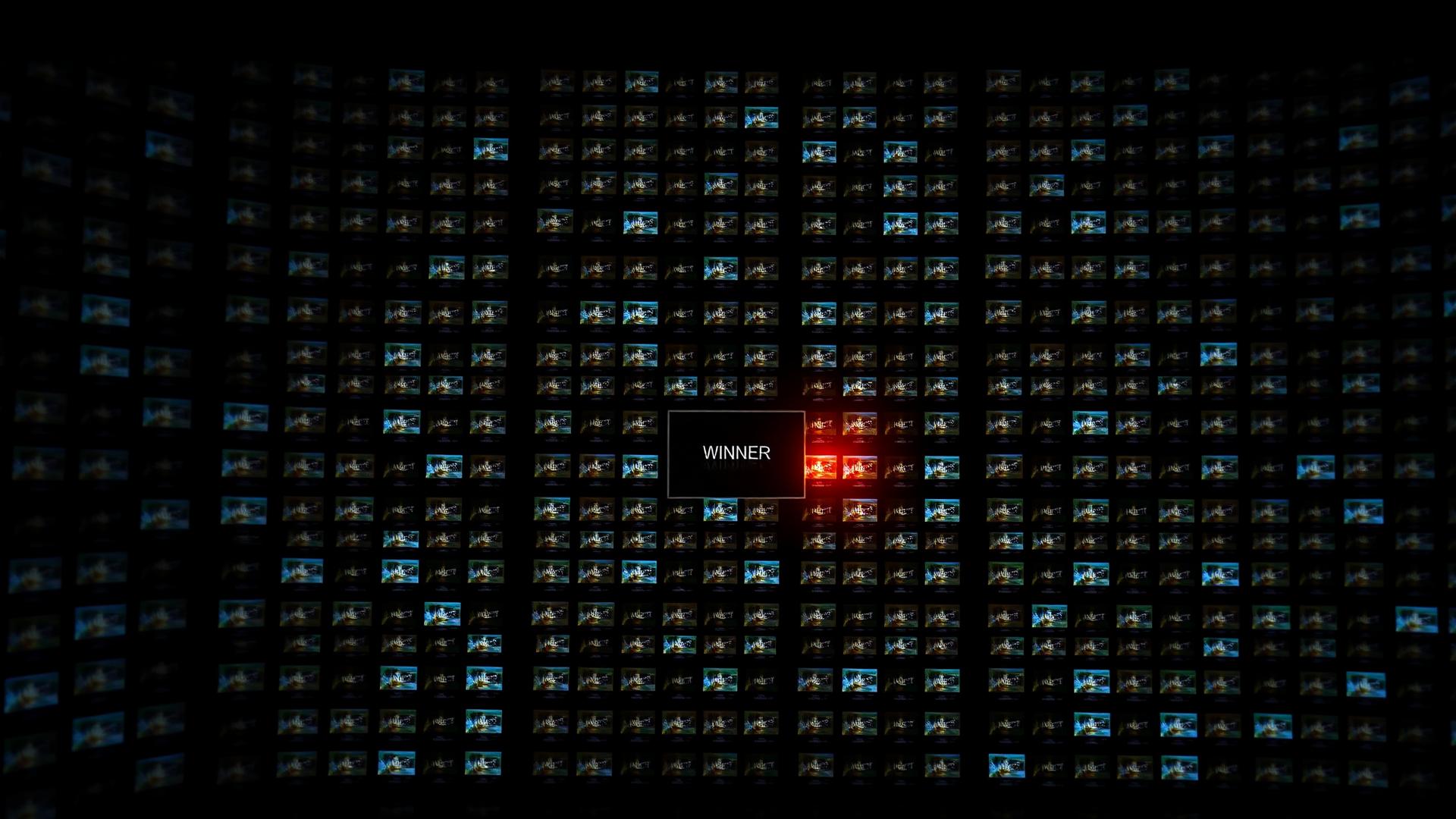
Ad performance is not normally distributed. In any batch of concepts, a small number carry nearly all of the return, a middle group breaks roughly even, and the rest lose money. The winners are not predictable in advance — not by the agency, not by the CMO, and not by the creator who made them.
Which leads to an uncomfortable conclusion: if you only ever see two concepts, your odds of holding a top performer are poor. Not because your two are bad, but because you did not draw enough times.

Why "test 100" is not as expensive as it sounds
The instinctive objection is cost, and it is based on an outdated production model. At $15,000 per produced concept, a hundred concepts is absurd. That is why nobody did it.
Three things changed:
- Production collapsed in cost. AI video means a competent creator can execute a finished ad in hours, not weeks.
- Distribution is free to test. You do not need to buy media behind all hundred. You need to see all hundred, shortlist, and buy media behind the shortlist.
- Sourcing became parallel. One brief can go to hundreds of creators simultaneously instead of one agency sequentially.
Together those turn "test many" from a budget question into a sourcing question.
Variations are not tests
An important distinction: forty versions of the same concept is one test, not forty. Changing the hook line, the actor or the background explores the neighbourhood around a single idea. Valuable — but it cannot tell you whether a completely different premise would have doubled your ROAS.
Real testing requires divergent concepts: different emotional premises, different formats, different arguments for why someone should buy. That requires different minds, not more renders from one engine.
What this looks like operationally
- Write one brief that states the product truth, the audience and the non-negotiables — and leaves the creative angle open.
- Get dozens of finished, distinct concepts back within about seven days.
- Rank on the metric that matters — hook rate, hold rate, then cost per result.
- Put media behind the top few. Keep the next tier in reserve for fatigue rotation.
The point
Media budget amplifies whatever creative you give it. Amplifying an unvalidated concept is the single most expensive mistake in performance marketing, and it is entirely avoidable. Finding the winner first costs a fraction of what running the wrong ad costs.
That is the whole argument for competition as a format — see For Brands, or the direct answer on testing 100 ad concepts without paying for 100 productions.
Tal Dahabani
Founder & CEO at AdArena
Tal is the founder of AdArena who believes in performance over ego. He built AdArena because he saw how the traditional agency model was broken — brands spending fortunes on content they couldn't test. His mission: help brands discover what actually works, faster than their competitors.
You Might Also Like

Design Contests Worked Because Choice Beats Prediction. Ads Are the Bigger Prize.
A single agency concept is a prediction. Thirty finished ads is a choice. Here is why that difference matters far more in advertising than it ever did in design.
How to Use Seedance 2.5 for Real Ads: The Winning-Ad Workflow
A production workflow that turns Seedance 2.5 clips into ads that lower CPA — brief first, concepts second, generation third, testing last.

How to Find Your Winning Ad Before You Spend a Dollar on Media
Most brands discover their winning ad by burning media budget on losing ones. Here is the alternative: find the ad first, then spend behind it.
Get Weekly Video Marketing Insights
Join 2,000+ marketers who get our best strategies, case studies, and AI tips every week.
No spam, ever. Unsubscribe anytime.