Chen Shaw is learning to trust her ideas
Chen never made her graduation film at Sam Spiegel. Today, she has a first-place win for Deel and second-place finishes for SACARA and Shviro Haifa. We talked about doubting your ideas, making an ad in a day and dealing with a result you didn't want.
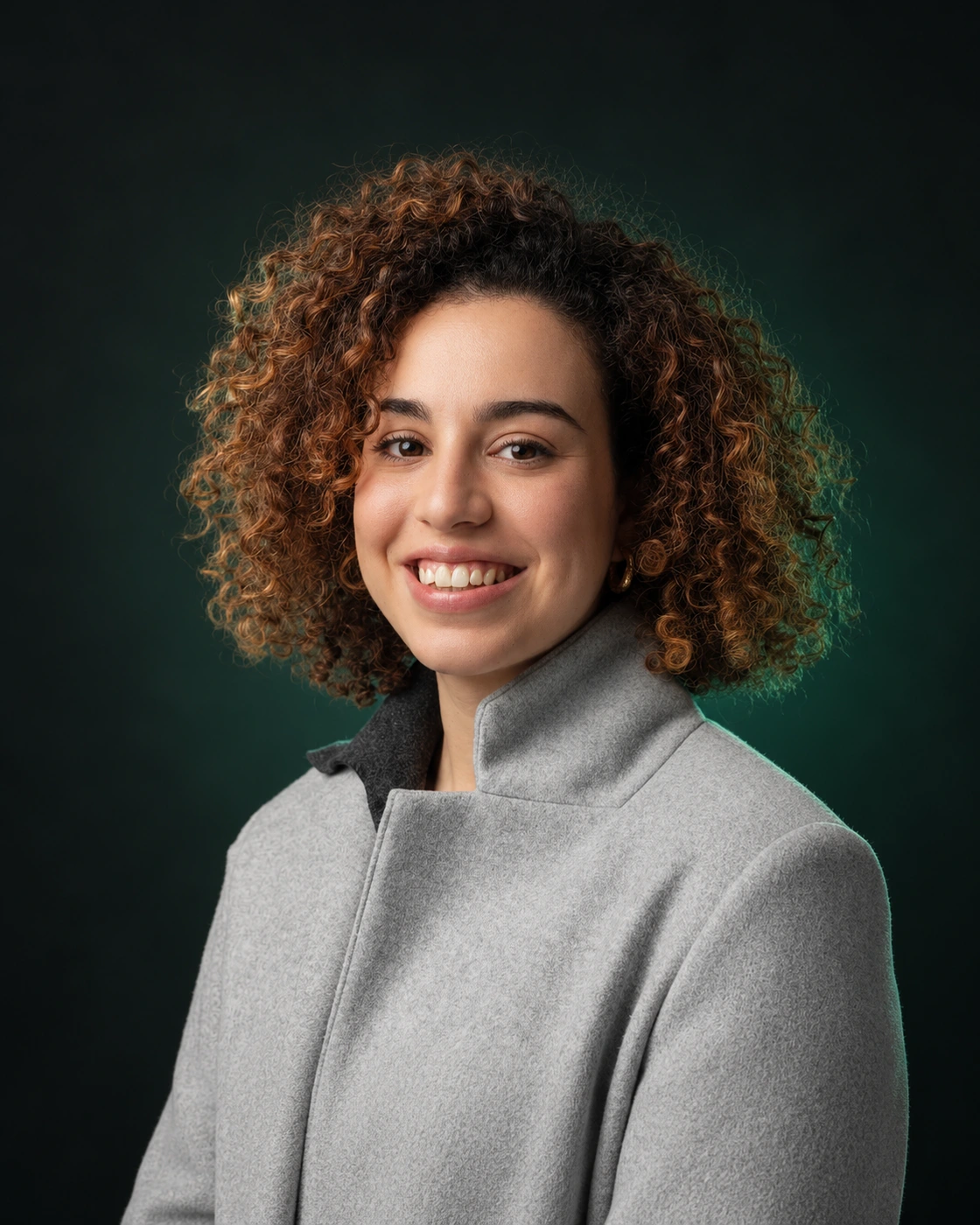
Chen Shaw never made her graduation film at Sam Spiegel. She wanted to make films and worked on a script, but couldn't bring herself to believe in it enough to shoot it. If the idea didn't feel good enough, she would rather not make it at all.
Looking back, she says even a film she wasn't happy with would have taught her more than one she never shot. That's easier to see afterwards. At the time, perfectionism stopped her.
At the time of our interview, she'd taken first place for Deel, second for SACARA and two third-place finishes on AdArena. In our conversation, she talked about how editing, AI and working on briefs helped her discover she could do more than she thought. Since then, she's also taken second place for Shviro Haifa.
“I discovered that I have a whole world in my head.”
She wanted to make films as a kid
Chen is 28. She's originally from Shoham and now lives in Tel Aviv. As a kid, she loved films and TV. She remembers watching a show where children made their own movies and wanting to try it herself. Still, she didn't really think of herself as creative.
She remembers a first-grade teacher criticizing her drawing. She explains that it isn't an insult she's still carrying around. It's an example of how a child starts deciding what they're good at and what they aren't. At school, success was mostly about academics. Creativity had less room.
At 19 or 20, during her national service, she was already coming up with TV formats, researching them and writing synopses. She talked them through with her father, found people in the industry and sent out her ideas. That led to meetings, including at July August Productions and Keshet. None of the formats became a show, but she knew she wanted to keep creating.
When it was time to choose what to study, she went with film. Her parents supported her, and she enrolled at Sam Spiegel.
Why the graduation film never happened
At Sam Spiegel, she learned to look closely at films and understand what makes a shot work. She also struggled with the expectations. She wasn't happy enough with her graduation script to shoot it. She describes the period that followed as a kind of mourning.
I asked what she would tell her younger self. She would remind her that there's more to life than this one project, and that she doesn't need to feel completely confident before she starts.
Later, she developed a script with a collaborator and says it even received funding. She still has doubts about it. The perfectionism hasn't gone away, but she has a clearer idea of how much it can hold her back.
“Even if I had made it and it hadn’t been amazing, I would have learned much more from it than from not making it.”
From TV production to editing and AI
After film school, Chen worked in television production, including office and production-management roles. It was demanding work. She moved on to bigger productions and better pay, but increasingly felt it wasn't what she wanted to do.
When one job ended, she spent about three months at home figuring out what came next. She kept coming back to wanting to do something creative. She learned video editing, spent almost two years editing reels for businesses, then started learning AI.
AI wasn't easy at first. She generated a lot, tried different options and didn't really know how to work with it all. The tools intimidated her. Gradually, she started using what she knew from film and editing to choose shots, work with references and put a scene together.
Her first AdArena entry was for Kolbo. It didn't win, and she kept entering. She says the exposure brought work inquiries. The briefs also helped her realize she had a feel for advertising, something she hadn't recognized in herself before.
What does Vogue have to do with Deel?
For Deel, she brought in a reference from Vogue. She liked the camera following a woman, the feeling of tagging along and the fashion styling. She saw other creators making podcast-style ads and wanted to try something different.
She spent time on casting. Yes, even for an AI character. She cared about who the woman on screen seemed to be, how she looked and the presence she had. She wanted the viewer to feel there was a personality there.
The ad took first place. A second entry in the same competition finished eleventh and also won a prize. A fashion reference had worked for a tech brand.
One day to make a SACARA ad
Chen had one free day for SACARA. She doesn't think of herself as a particularly fast creator, and much of the first half of the day went into attempts that didn't work.
She knew she wanted match cuts and was looking for a way to connect the perfume bottle with a fashion character through the transitions. On Pinterest, she found an image of a woman wearing glasses against a plain background. From there, she started picturing the sequence, the poses and the jumps between shots.
Before that, she had tried a more floral direction inspired by a perfume ad she liked. She dropped it because it felt too close to the original. Once she found a direction that felt like her own, the work moved quickly.
The ad took second place. Chen says she was focused on making something she would want to watch herself. Of course she wanted to win. She was also enjoying making the film.
Ninth place can still hurt
For Baba, she really wanted first place. She finished ninth and was disappointed. Now she says she can put in the work and do her best, but the result still isn't entirely up to her.
She felt connected to the work on Deel, PokerFace and her Veahavta ad, too. SACARA reminded her how much she enjoys being absorbed in making something. That matters to her even when she doesn't get the result she wanted.
“I don’t always have to win, and that doesn’t say anything about my worth.”
She's learning to let go while working, too. She can get stuck on one image, trying again and again to make it look exactly as she imagined. Sometimes it works. Sometimes the time and credits go without the project moving forward. She's trying to recognize when it's better to leave an idea and try another direction.
What should the viewer feel?
At the time of our interview, Chen was working on the Shviro brief. She started by asking what home means. To her, it's somewhere you can be yourself, feel accepted and belong. That's what she wanted the film to convey, before deciding which shots to generate.
An update since our interview. On October 15, 2026, Chen took second place in the Shviro Haifa real estate competition, winning $2,000, equivalent to NIS 6,000 at the competition's fixed exchange rate. We didn't know the result when we spoke. It brings her to seven prize-winning entries on AdArena, including five podium finishes, and $5,284 in total cash prizes.
When she talks about how creators can improve, she comes back to film. Watch movies, learn how to tell a story through images, pay attention to framing and light. Learn the tools and think about what you want to say with them. Those references stay with her and help when a new brief comes in.
She wants to work with bigger brands and get better at the creative work. She's also curious about making something personal with AI outside advertising. She doesn't know exactly what yet. She might return to a longer film, but there's no firm plan.
What comes next?
Towards the end of our conversation, we came back to enjoying the work. Winning is exciting, but most of the time is spent making things. Chen wants to have more confidence in her abilities and enjoy the work even more than she does now.
She says AdArena gave her a way to express herself. Through the competitions, she received work inquiries and discovered an ability for advertising she hadn't known she had.
The graduation film still hasn't been shot, and she still has doubts. She also has ads she's finished, prizes she's won and a desire to keep creating. She's still learning to trust herself.
| Brand | Place | Cash prize |
|---|---|---|
| Veahavta | 3 | $334 |
| Deel | 1 | $1,200 |
| Deel | 11 | $100 |
| PokerFace | 3 | $700 |
| Baba | 9 | $200 |
| SACARA | 2 | $750 |
| Shviro Haifa | 2 | $2,000 |
| Total prizes | $5,284 | |
Verified against AdArena results on October 16, 2026, including the Shviro Haifa result announced after the interview. Seven prize-winning entries across six brand competitions; five finished in the top three. All prize amounts are in US dollars.
Chen Shaw
Chen Shaw, 28, is originally from Shoham and lives in Tel Aviv. She studied film at Sam Spiegel and worked in television production and video editing before taking up AI. She has seven prize-winning entries across six brand competitions on AdArena.
View AdArena profileInterview conducted in Hebrew. Quotations translated and lightly edited for clarity. Portrait and cover adapted with AI from the creator’s profile photograph.