Why Brands Keep Picking the Wrong Ads in the Creator Economy
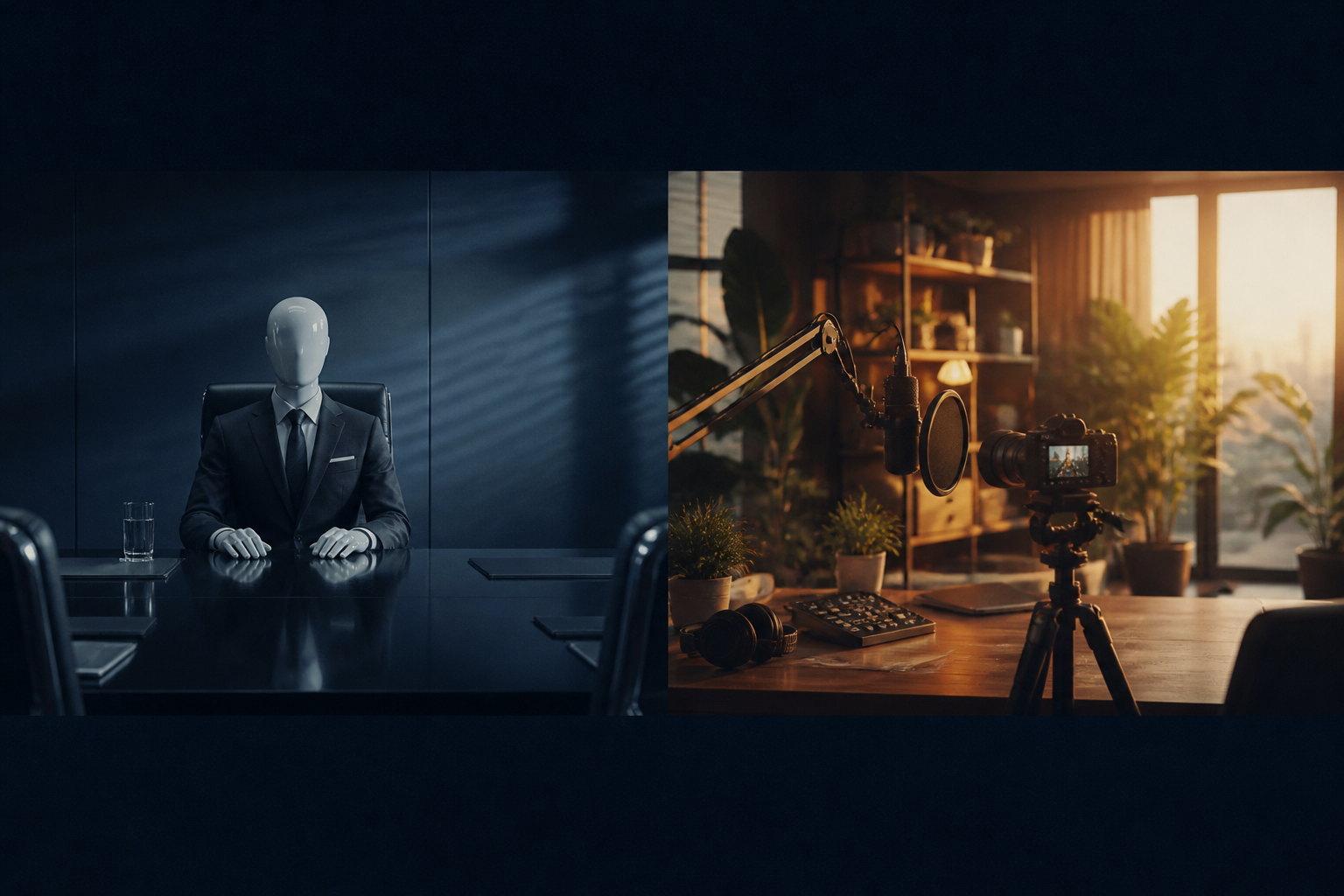
Imagine you’re a CMO standing in a gallery of 1,504 unique masterpieces. You've the checkbook, the authority, and a deadline. You walk past a raw, slightly shaky video of a creator unboxing your product in their messy kitchen and keep moving until you find it: the high-production, color-graded, cinematic video that looks like a Super Bowl commercial. You pick the "pro" shot. Tends to be, Three weeks later, your ROAS is tanking, and that? "messy" video you ignored is going viral for your competitor. According to AdArena internal data, we’ve seen 1,504 ads submitted across 15 competitions, and the delta between what a brand thinks will work and what actually converts is often staggering. Most brands are still using 2015 eyes to judge 2024 attention.
The "Polished Content" Trap Brands often mistake production value for brand safety.
They gravitate toward creators who own a RED camera and a ring light, fearing that anything less looks "cheap. " But in the creator economy, "perfect" is often synonymous with "ignorable. When a user scrolls through their feed, their brain is trained to skip anything that looks like a traditional advertisement. We call this "Ad Blindness. " The moment a video looks too polished, the user's thumb moves on. Our internal in practice, across 13 completed competitions, where $90,300 in prize money has already been awarded: the winning videos are rarely the ones with the highest production budgets. They're the ones with the highest *relatability. > "The biggest mistake isn't picking a 'rough' video; it's picking a video that doesn't feel like a person. If your ad feels like a corporation wearing a human mask, the internet will sniff it out in seconds."
Aesthetic vs. Performance: The Great Divide if you want to stop making this mistake, you've to change your scorecard.
Stop looking for the best lighting and start looking for the best "hook. " In recent challenges like the SACARA competition ($5).000 prize pool), the standouts weren't just showing the product; they were solving a specific problem or tapping into a cultural moment. Here's how the "Brand Choice" usually stacks up against the "Performance Choice":
| Feature | The Brand Choice (Mistake) | The Performance Choice (Correct) |
|---|---|---|
| Opening Frame | A high-res logo or a generic "Hello" | A jarring question or a weird visual hook |
| Environment | A sterile studio or a white wall | A lived-in bedroom, car, or bathroom |
| Script | Corporate talking points and features | Authentic storytelling and "hacks" |
| Editing | Slow, cinematic transitions | Fast, jump-cut heavy, "TikTok style" |
Stop Buying Content, Start Buying Solutions likely, when brands launch a challenge, they often give a brief that's too restrictive.
They ask for creators to say "X, Y, and Z" in that exact order. That's it. This kills the very thing that makes the creator economy valuable: the creator's unique voice. Take the Kolbo AI #2 - Fake Ad Challenge ($10).000 prize pool) or the שבירו בחיפה competition ($12).500 prize pool). These brands succeeded because they allowed 1,847 registered creators to interpret the brand through their own lens. The "winning" ad is the one that bridges the gap between your brand’s value and the creator’s community. Right? Practical Tips for Picking the Winner: 1. Watch it without sound: Does the visual story hold your attention for the first 3 seconds? 2. Check the comments (if applicable): Does the creator’s audience actually trust them? 3. Ignore the camera gear: A video shot on an iPhone 13 that feels urgent will beat a 4K studio shoot every single time. 4. Look for the 'Ugly' Truth: Does the ad show a real human struggle that your product solves?
The Takeaway The creator economy isn't a new way to make commercials; it’s a new way to build trust.
If you keep picking the ad that makes your brand look "prestigious" instead of the one that makes your brand look "useful," you’re leaving money on the table. With over $108,800 in total prize pools managed on our platform, we’ve seen that the brands who win are the ones who let go of the steering wheel. Stop guessing which content will work and start letting the creators show you what actually resonates. **Ready to see what 1,800+ creators can do for your ROI? ** Create your first challenge or see winning videos to see the difference for yourself.
The "Polished Content" Paradox The biggest mistake brands make is treating creator content like a traditional TV spot.
According to our internal metrics from 13 completed competitions, where we’ve awarded $90,300 in prize money (the videos that brands initially rank as "top tier" often have lower completion rates than raw, "lo-fi" submissions. , when a brand chooses a winner based on how well it fits their existing grid aesthetic, they're often selecting for vanity rather than velocity. In the creator economy, the "flaws are what signal authenticity to the algorithm.
Related AdArena Guides
Tal Dahabani
Founder & CEO at AdArena
Tal is the founder of AdArena who believes in performance over ego. He built AdArena because he saw how the traditional agency model was broken — brands spending fortunes on content they couldn't test. His mission: help brands discover what actually works, faster than their competitors.
You Might Also Like

Creator Economy: The Multi-Million Dollar Mistake Brands Make When Picking Winning Ads
Picture this: Your marketing team is gathered around a monitor, debating which of the five new creator videos to put your $50,000 ad spend behind. You pick the one with the highest production value...
AI Video Money in 2026: Freelance vs Competitions vs Revenue Share, With Actual Math
Three ways AI video creators get paid in 2026 — and why the earners run all of them in sequence, not one forever.
How Much AI Video Creators Actually Made From Competitions in 2026 (Real Payout Data)
We published our full payout data — including the parts that don't flatter us. Median winning creator: $175. Top earner: $4,150. Here's the whole distribution.
Get Weekly Video Marketing Insights
Join 2,000+ marketers who get our best strategies, case studies, and AI tips every week.
No spam, ever. Unsubscribe anytime.