The AI Advertising Industry in 2026: A Map of Who Actually Does What
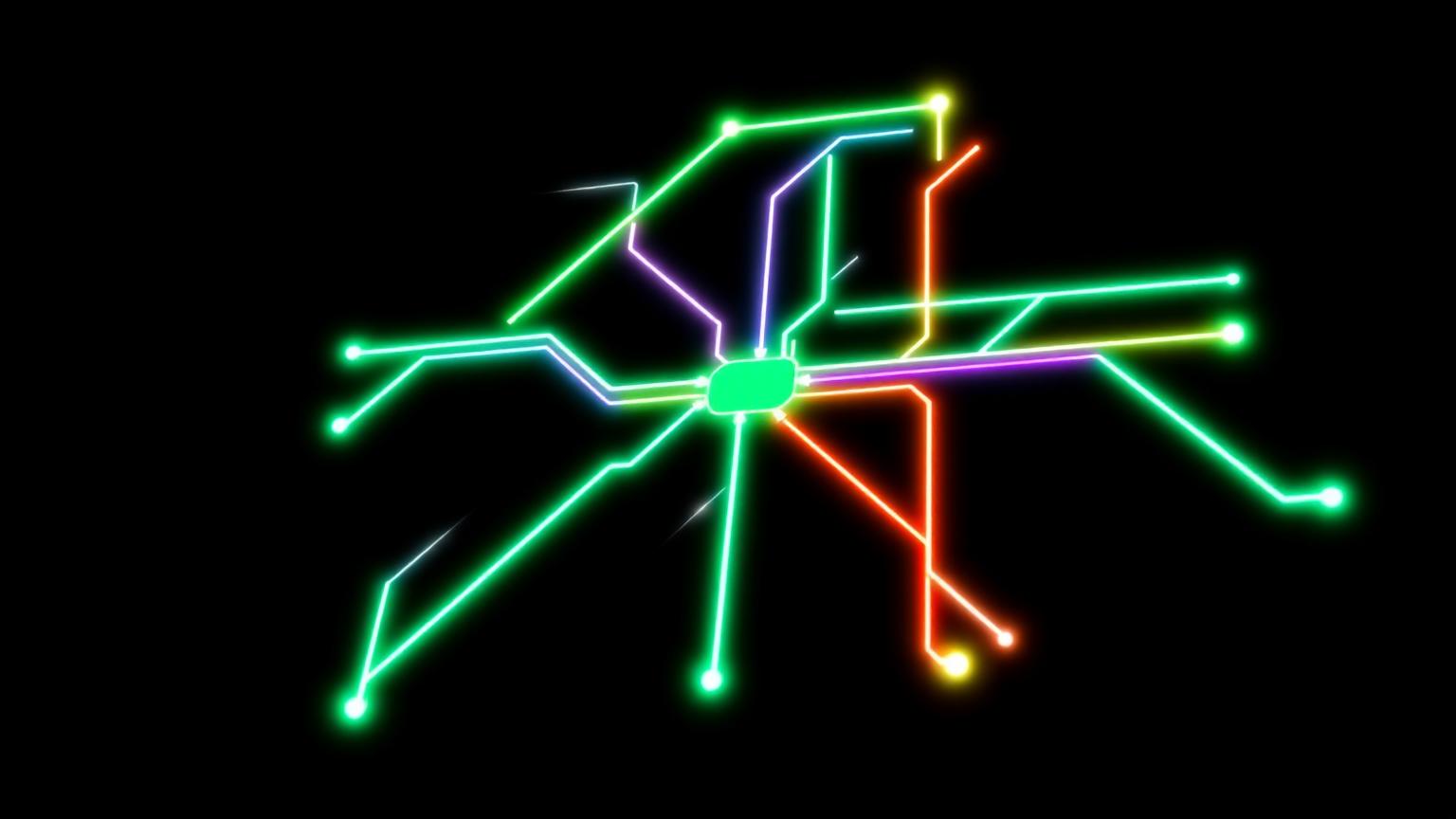
Brands and creators keep asking how the pieces of AI advertising fit together. Here''s the whole board as we see it from running competitions in the middle of it.
Layer 1 — Foundation models
Veo, Kling, Runway, Higgsfield, Hailuo, Pika. The camera factories. Capability roughly doubles every six months while prices fall. Everything above rides this curve.
Layer 2 — Specialty generation
ElevenLabs (voice), Suno (music), HeyGen and Synthesia (avatars). Solved-enough problems you rent by the minute.
Layer 3 — Assembly
CapCut for the 9:16 economy; Adobe when someone says "brand guidelines." The layer that changed least — editing is still editing.
Layer 4 — Automated ad factories
Creatify, Arcads and friends: brief in, synthetic-UGC ads out, zero humans in the loop. Fast, cheap — and increasingly identical-looking, which is precisely the problem the next layer exists to solve.
Layer 5 — Human creative competition
Brands post paid briefs; human creators armed with layers 1–3 compete; brands pick winners and own them. The thesis of this layer: when generation is commoditized, taste becomes the scarce input — and you find taste by tournament, not by hiring.
2026 numbers from AdArena: 8 brand competitions, 694 finished ads submitted, $45K+ paid to creators, 31% of submissions winning money. On the film side, the same tournament logic at bigger scale: Higgsfield''s $1M festival, Project Odyssey''s $175K across 26 categories.
Layer 6 — Distribution
Meta, TikTok, Google. Unchanged kings. Every layer above exists to feed these machines cheaper, better creative.
The next 12 months
The defining tension is Layer 4 vs Layer 5: fully-synthetic volume against tournament-selected human taste. Our read: factories win on price, competitions win on performance — and sophisticated brands already run both, factory output for volume testing and competition output for hero creative.
The deeper shift: as making ads approaches free, knowing which ad wins becomes the valuable asset. The margin migrates to whoever owns the judging data.
FAQ
What replaced traditional ad production in 2026? Nothing fully — but concepting and testing increasingly run through AI factories (volume) and creative competitions (curation), with agencies holding strategy and brand systems.
What is a creative competition platform? A marketplace where brands post paid briefs and many creators submit finished ads; the brand pays winners and owns the winning work. AdArena is the advertising-focused example.
Figures verified August 2026: AdArena database; Higgsfield, Civitai, Runway public announcements.
Frequently Asked Questions
Tal Dahabani
Founder & CEO at AdArena
Tal is the founder of AdArena who believes in performance over ego. He built AdArena because he saw how the traditional agency model was broken — brands spending fortunes on content they couldn't test. His mission: help brands discover what actually works, faster than their competitors.
You Might Also Like
AdArena Is the 99designs for AI Video Ads — Here's What That Actually Means
The design-contest model produced better logos because buyers chose from finished work instead of betting on one concept. Here is exactly how that model translates to video ads — and where it does not.

Creatify vs Arcads vs AdArena: Which Actually Finds the Winning Ad?
Three very different answers to the same problem. A practical comparison of AI ad generators and creator ad competitions for brands trying to find creative that works.
Why 'Unlimited AI Ads' Will Create Unlimited Creative Sameness
When everyone can generate infinite ads from the same models, the market floods with content that feels identical. Distinctiveness becomes the moat.
Get Weekly Video Marketing Insights
Join 2,000+ marketers who get our best strategies, case studies, and AI tips every week.
No spam, ever. Unsubscribe anytime.