Seedance 2.0 vs Luma Dream Machine: The Best AI for Realistic Textures
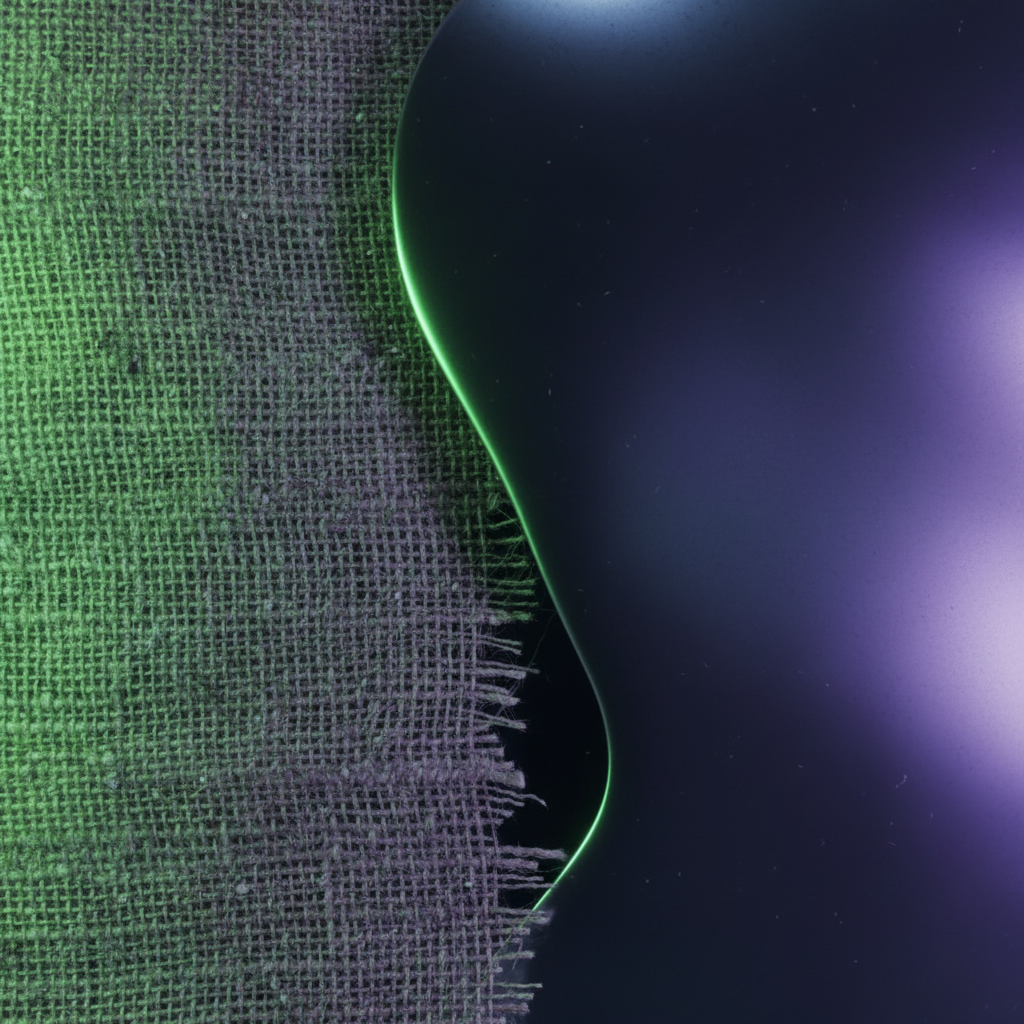
Ever watched a high-budget commercial and thought"I could do that if I had a $50k VFX budget,"only to realize the creator actually used a tool that costs less than a lunch at Chipotle that’s the reality we live in now, but here’s the problem: most AI video tools still make skin look like plastic and fabric look like liquid mercury. I'd say, At explore AdArena, we’ve been obsessing over video quality because we know that high-intent consumers can smell"uncanny valley"AI from a mile away.
If the texture isn't right, the trust isn't there. I’ve spent the last week stress-testing the two biggest heavyweights in the space: Seedance 2. 0 and Luma Dream Machine (specifically to see which one can handle the grit, grain, and glorious detail of real-world materials. here's what I learned the hard way.
The Micro-Detail Test: Fabrics, Metals, and Skin Picture this:
a creator is trying to generate a close-up of a rustic linen shirt for a sustainable fashion brand.
With Luma Dream Machine, the fabric often looks great from a distance, but as the camera zooms in, the weave becomes a blurry, repetitive pattern.
It’s"AI-smooth": which is usually a polite way of saying it lacks soul.
Kling, on the other hand, handles micro-textures with a level of grit that feels startlingly real.
For real.
When you prompt for"aged leather"or"silk under sunlight,"Kling understands the physical properties of the material.
It doesn't just color the pixels brown; it simulates the way shadows hide in the cracks of the hide. > Marcus’s Insight:"The biggest mistake brands make is chasing resolution over texture. A 4K video with flat textures looks cheaper than a 1080p video where the light interacts naturally with the surfaces.
Kling currently holds the edge in material physics."Actionable Tip: When prompting for textures, don't just use adjectives like"realistic."Use sensory words (instead of"soft blanket,"try"thick-knit wool with visible fibers and stray threads. tends to be,"
Fluidity vs.
Consistency: The Liquid Challenge there's nothing harder for AI to render than liquids.
If you’ve ever tried to generate a glass of pouring soda, you know the struggle.
Luma Dream Machine is incredibly fluid: often too fluid.
It has a tendency to turn objects into liquid during transitions, which can create a dreamlike, surrealist vibe that works for art but fails for product shots.
Kling treats liquids as physical objects. I think, If you want a splash of coffee for a cafe promo, Kling maintains the surface tension of the bubbles.
It understands that water shouldn't turn into a hand halfway through the shot. * Luma Dream Machine: Best for"Vibe"and artistic, flowing transitions. * Kling: Best for"Object Permanence"and consistent material behavior).
If you're looking to see winning videos that balance these two worlds, you'll notice that the most won creators often use Luma for the"feeling"and Kling for the"detail."
Lighting as a Texture: Why Shadows Matter Most people think of texture as a surface, but in 3D space, texture is actually how a surface reacts to light.
Most brands get this wrong by over-lighting their AI prompts, which flattens the image and makes it look like a video game from 2010.
Luma Dream Machine excels at cinematic,"volumetric"lighting.
It creates beautiful rays of sunshine and hazy atmospheres that can make even a simple scene feel expensive.
However, it often loses the texture of the objects within that light.
Kling keeps the texture sharp even in high-contrast lighting scenarios. How to get better lighting-based textures: 1. Define the light source: Mention"harsh side-lighting"to emphasize texture. 2. Request imperfections: Add"dust motes"or"surface scratches"to your prompt to break the"perfect"AI look. 3. Contrast is key: Use"deep shadows"to make the highlighted textures pop.
The Final Verdict for Creators and Brands If you're a creator looking to join as a creator on AdArena, your choice depends on the brief.
If the brand wants a dreamy, high-concept aesthetic, Luma Dream Machine is your best friend.
But if you're trying to showcase the tactile quality of a physical product, the crunch of a biscuit or the grain of a wooden table, Kling is the current champion.
While we haven't seen a specific challenge for these tools yet, the tech is moving fast.
The brands that win in the future won't be the ones with the biggest budgets, but the ones who know which AI"brain"to use for which specific shot: brutal. The Actionable Takeaway: Don't stick to one tool.
Use Luma for your wide, atmospheric shots to set the mood, and use Kling for the tight macro shots where the texture is the star of the show.
Ready to put your AI skills to the test and win real rewards? Create your first challenge or browse current challenges to see what's trending.
Tal Dahabani
Founder & CEO at AdArena
Tal is the founder of AdArena who believes in performance over ego. He built AdArena because he saw how the traditional agency model was broken — brands spending fortunes on content they couldn't test. His mission: help brands discover what actually works, faster than their competitors.
You Might Also Like
The 2026 AI Video Ad Stack: What Each Tool Layer Is Actually For
Stop ranking generators against editors. The AI ad stack has six layers, and the one nobody lists is where the money enters.
Where to Use Seedance 2.5 Right Now (August 2026): Every Platform, Price, and Real Limit Compared
Higgsfield, Artlist, CapCut, Dreamina and direct API access compared on price, clip length cap, resolution, throttling and best use case, with this week's changes included.
Higgsfield's "33 Days of Unlimited Seedance 2.5": The Real Terms, Tier by Tier
Higgsfield announced 33 days of Seedance 2.5 at zero credit cost. The blog post behind the announcement sets clip caps by tier and billing cycle, and excludes monthly Pro. Here is the full breakdown.
Get Weekly Video Marketing Insights
Join 2,000+ marketers who get our best strategies, case studies, and AI tips every week.
No spam, ever. Unsubscribe anytime.