

Back to Blog

    AI Video Ads in 2026: Best Models and Workflows

    TD

    Tal Dahabani

    Founder & CEO

    Published
    Updated
    Reading time9 min
    AI Video Ads in 2026: Best Models and Workflows

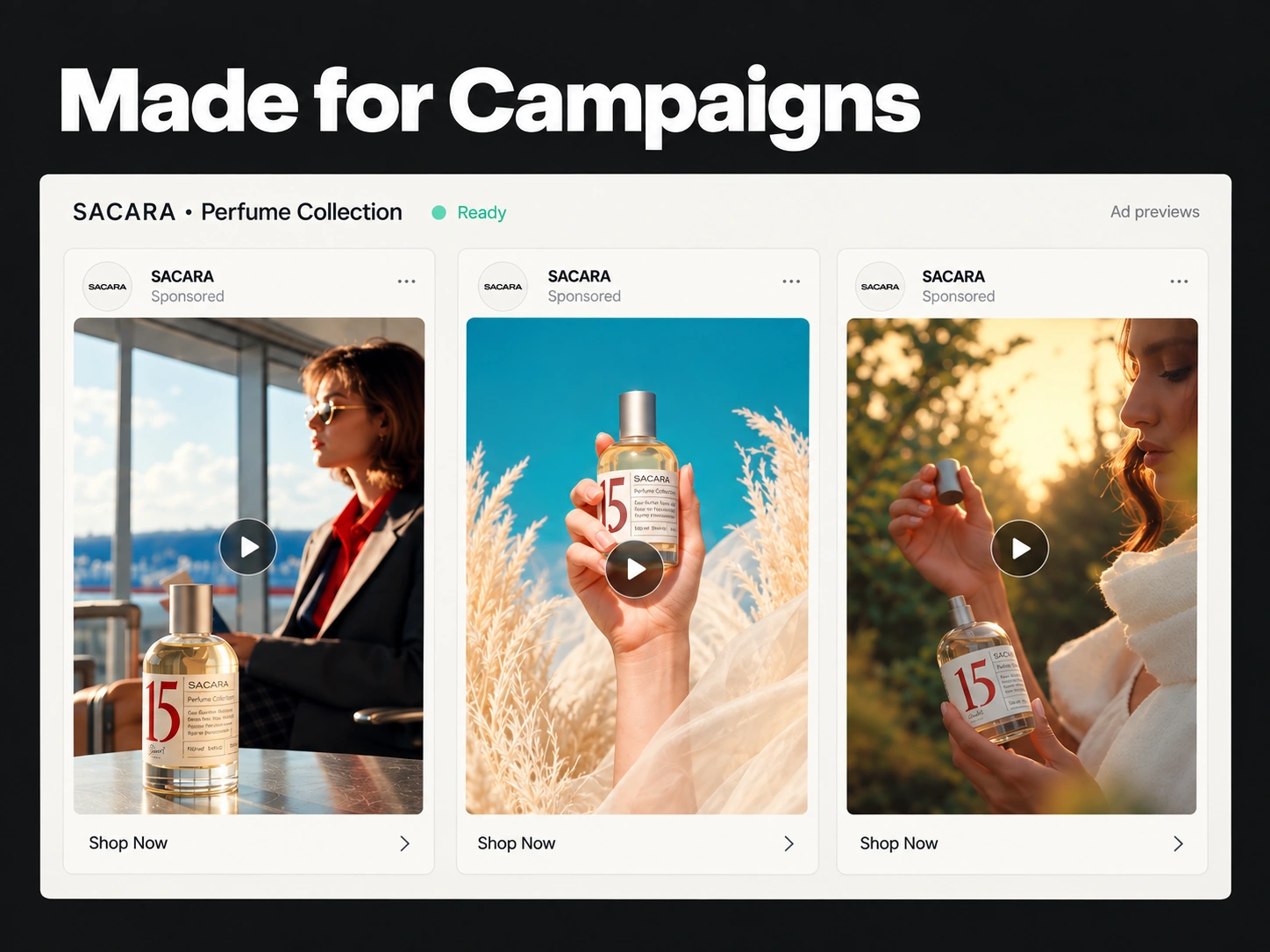
    AI video ads in 2026 are a different sport than they were even a year ago. The winning creators are not typing longer prompts. They are directing — with references, keyframes, and multimodal inputs.

    This is the AdArena hub for AI video advertising. If you're figuring out which model to use for which ad, start here.

    Quick answer

    The best AI video ads in 2026 are built with reference-driven, image-to-video, and audio-video workflows — usually combining 2-3 models (e.g. an image model, a video model, an audio model) rather than a single text-to-video generation.

    AI video ads are moving beyond text-to-video

    Text-to-video was the demo. It's not the workflow. Text prompts alone give you unpredictable characters, drifting products, and generic camera work. That doesn't ship as an ad.

    The workflows creators actually use now:

    • Image-to-video — generate the perfect frame first, then animate it.
    • Reference-to-video — feed the model a shot, a character, or a product image to hold consistency.
    • Audio-video — generate video from an existing audio track or voiceover so lip-sync and pacing align.
    • Edit-to-video — regenerate a specific segment inside an existing clip rather than remaking the whole scene.

    Best current tools by use case

    Use caseModel / ToolWhy
    Google-native workflowGemini Omni Flash, Veo 3.1 / 3.1 LiteNative 9:16, 720p/1080p, conversational editing from text+image+video
    Cinematic controlLuma Ray3.2Frame-level control, up to 16 keyframes per clip
    High-quality generationRunway Gen-4.5Text-to-video and image-to-video for polished cinematic output
    Reference-driven audio-videoSeedance 2.0Multimodal input: text, image, audio, video
    Product-to-videoHiggsfieldProduct photos into video ads, camera/lens control
    Fast social clipsKlingMotion-heavy short-form output
    Stack accessKolbo AIMany of the above in one workspace with Visual DNA consistency
    Audio layerElevenLabsEleven v3 voice, Music v2, ElevenCreative production

    Sora as legacy context

    Sora was the tool that first made a lot of people take AI video seriously. In 2026 it belongs in a different section of your notes:

    • Sora's web and app experiences were discontinued on April 26, 2026.
    • Sora's API is scheduled to be discontinued on September 24, 2026.

    Read this if that's where you started: Sora Is Gone. Here Are the AI Video Tools Creators Actually Use in 2026.

    What makes an AI video ad actually good not the model.

    Not the resolution. The fundamentals:

    1. Hook in the first 1.5 seconds. A face, a break in pattern, a question, a product beat.
    2. Product clarity. The viewer knows what it is by second 3.
    3. Emotional specificity. One feeling, not five.
    4. Rhythm. Cuts, sound design, breath.
    5. Platform-native framing. 9:16 first for most social ads.
    6. Believable audio. Bad VO or off-brand music kills good visuals.

    If you don't get these right, no model saves you. See Why Most AI Ads Still Fail.

    Workflow examples

    TikTok / Reels UGC-style ad

    1. Write hook in Gemini or GPT.
    2. Voiceover in ElevenLabs Eleven v3.
    3. Video from Veo 3.1 (9:16, 8s) or Seedance 2.0 with reference character.
    4. Cut, caption, and localize in ElevenCreative or your editor.

    Product hero spot

    1. Product photo → concept board in Nano Banana 2 Lite.
    2. Image-to-video in Luma Ray3.2 with 4-8 keyframes.
    3. Music from ElevenLabs Music v2.
    4. Final grade in your NLE.

    Reference-driven cinematic

    1. Reference shot + product image → Seedance 2.0.
    2. Regenerate specific segments as needed.
    3. Match audio and cut for platform.

    Mistakes to avoid

    • Trying to make a full 30-second ad in one generation.
    • Ignoring audio until the end.
    • Fantasy visuals with no product beat.
    • Character drift between shots.
    • Vertical-first content shot in landscape.

    AdArena Take

    The model is not the strategy. The winning AI video ad is still built on a hook, a product beat, and a reason to keep watching.

    Where to go next

    Frequently Asked Questions

    TD

    Tal Dahabani

    Founder & CEO at AdArena

    Tal is the founder of AdArena who believes in performance over ego. He built AdArena because he saw how the traditional agency model was broken — brands spending fortunes on content they couldn't test. His mission: help brands discover what actually works, faster than their competitors.

    Share this article

    You Might Also Like

    Get Weekly Video Marketing Insights

    Join 2,000+ marketers who get our best strategies, case studies, and AI tips every week.

    No spam, ever. Unsubscribe anytime.